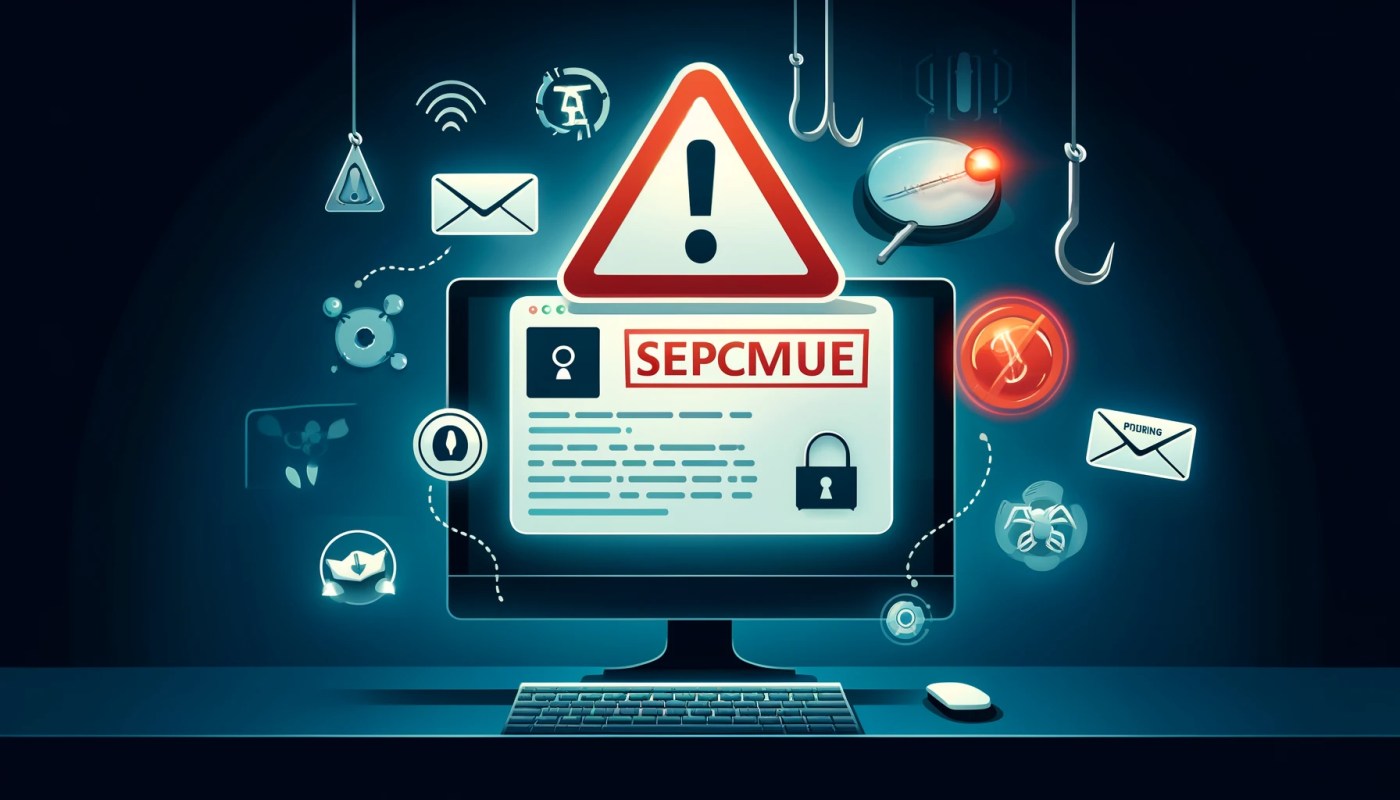
A Threatening New Phishing Scam is on the Rise
Imagine waking up one day to find an email in your inbox containing a photo of your home, your address, and a threatening message. It claims that your privacy has been compromised, and unless you pay up—sometimes even in Bitcoin—your information will be exposed. This is the essence of a new and emerging phishing scam that has left many people worried about the safety of their personal information.
According to cyber expert Al Iverson, scammers have been using readily available public information to carry out these scams, such as data from Google Maps and past data breaches. These threats are designed to instill fear and urgency in the recipients, making them believe their privacy is at stake, but in most cases, it’s just a ruse to trick people into handing over their money. You can read more about these evolving threats and how to stay safe here.
How Does the Scam Work?
Scammers use images of people’s homes and addresses to create a sense of immediate threat, claiming they have compromising information. One victim, Jamie Beckland, shared his experience. The scammers falsely claimed to have video evidence from spyware on his computer and demanded payment in Bitcoin in exchange for their silence. Beckland, however, wasn’t fooled. He took a step back, cross-referenced the address and the photos from the email with Google Maps, and realized the so-called evidence wasn’t credible. By doing this simple check, Beckland saved himself from losing money to these scammers.
Cybersecurity expert Al Iverson advises that one of the best ways to ensure that you’re not being scammed is to confirm whether the images or data are accurate. Check the images on Google Maps to see if they actually match the information provided. If they don’t, it’s a clear indication that you’re dealing with a scammer. He also emphasizes that scammers use information from previous data breaches to make these threats appear more credible. They might even spoof email addresses to look familiar, but these techniques are simply scare tactics. In reality, they often have no real access to sensitive data.
Tips to Avoid Becoming a Victim
Iverson recommends several steps to verify the legitimacy of these threatening emails. One crucial step is to scrutinize the email address carefully. Does it match the official domain of a company or person you know? He also suggests checking email authentication measures like SPF, DKIM, and DMARC, which are designed to verify a sender’s legitimacy. It may sound technical, but these terms refer to methods used by your email provider to determine if a message truly came from where it claims.
Zarik Megerdichian, founder of Loop8, also shares critical advice: do not click on any unfamiliar links in these emails. This is particularly important when the links relate to payment requests. Bitcoin and other cryptocurrency transactions are irreversible, meaning that once your money is gone, you cannot get it back. Megerdichian strongly advises reporting any suspicious emails to the Federal Trade Commission (FTC) and monitoring your financial accounts for any unusual activity if you suspect your information is at risk.
Protective Measures You Should Take
If you believe that your data has been compromised, Yashin Manraj, CEO of Pvotal Technologies, recommends changing your passwords immediately. He also advises that migrating your sensitive accounts to a new email address can provide an additional layer of security. You should also notify local authorities, such as the FBI, and ensure that all family members are aware of the scam to avoid others falling victim.
Manraj also emphasizes that you should never engage with the scammers. Responding to these threatening emails not only encourages them but also confirms to the scammers that your email address is active, making you a more valuable target for future scams. The more you engage, the more likely it is that your details will be shared with other cybercriminals.
To protect yourself further, consider isolating your home network by using separate WiFi networks for different devices, which limits the damage scammers could do if they gain access to one of your devices. Using a Virtual Private Network (VPN) can also help obscure your location and protect your browsing habits from prying eyes. Lastly, never use public forums to ask for help about these scams, as scammers often frequent these forums looking for vulnerable individuals.
Don’t Let Fear Control Your Actions
It’s important to remember that these phishing scams are based on fear and manipulation. The scammers want to make you feel that your privacy has been compromised so that you panic and comply with their demands. By staying vigilant, verifying any claims they make, and taking action to protect your accounts, you can prevent yourself from becoming a victim.
Cybersecurity threats can feel overwhelming, but you have the power to protect yourself and your family. Whether it’s by scrutinizing suspicious emails, avoiding unknown links, or updating your passwords, every small step you take adds to your overall security. As Al Iverson aptly puts it, “Scammers thrive on fear, but when you arm yourself with knowledge, they lose their power over you.”
For more insights and helpful guidance on how to protect yourself from phishing scams, check out this detailed article on CySecurity News:
Stay Safe, Stay Informed
Remember, the key to combating these scams is to stay informed and proactive. Share this information with family and friends, so they know what to do if they ever receive a suspicious email. The more we educate ourselves and each other, the harder it becomes for scammers to find victims. Your privacy and financial security are worth protecting, and by taking simple steps, you can ensure you’re safeguarded against these emerging threats.
Tito
 empowerment & inner transformation...