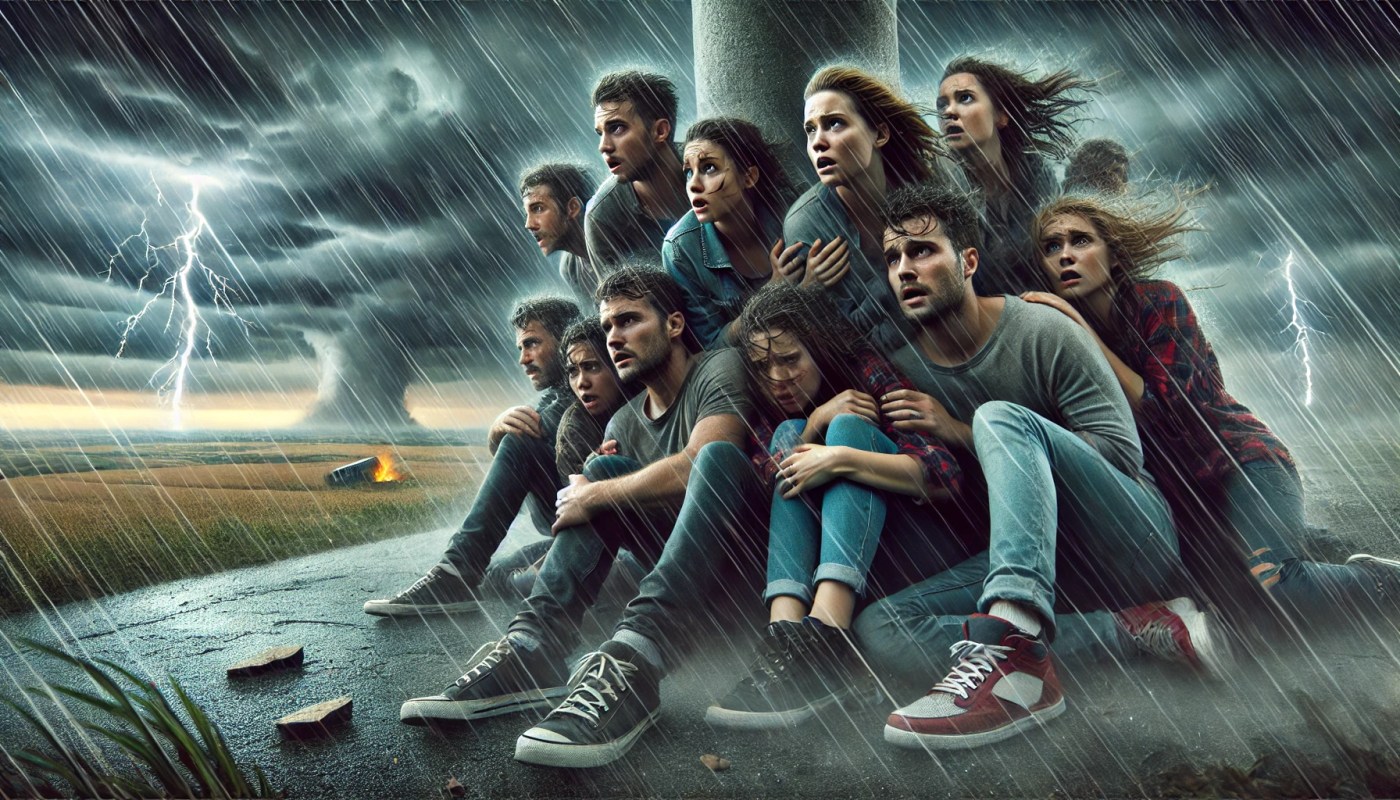
Climate change is no longer a distant threat looming on the horizon; it’s a pressing reality that is already impacting the lives of millions around the globe. While the environmental consequences are well-documented, a quieter crisis is unfolding—one that affects the mental health of our youth. Young people today are grappling with profound anxiety, fear, and uncertainty about the future of our planet, leading to what experts are calling “climate anxiety” or “eco-anxiety.”
Key Findings: The Alarming Statistics
A groundbreaking global survey targeting 16 to 25-year-olds has shed light on the depth of this issue. The study revealed that:
- Nearly 60% of respondents feel anxious, powerless, or angry about the state of Earth’s climate.
- 84% are at least moderately worried about climate change.
- Over 45% say their feelings about climate change negatively affect their daily life and functioning.
- 75% believe the future is frightening due to climate change.
- 83% feel that people have failed to take care of the planet.
These statistics are more than just numbers; they represent the real and pervasive emotional distress experienced by young people worldwide. The overwhelming majority are not just concerned—they are deeply worried about what the future holds.
Understanding Climate Anxiety
Climate anxiety is a psychological response to the threats posed by climate change. It encompasses a range of emotions, including fear, anger, helplessness, and grief. Unlike typical anxiety disorders, climate anxiety is a rational response to real environmental crises. Dr. Lise Van Susteren, co-author of the aforementioned study and co-founder of the Climate Psychiatry Alliance, emphasizes that this form of anxiety is not pathological but a “normal response to a very real threat.”
Young people are acutely aware of the environmental degradation occurring around them. They witness extreme weather events, loss of biodiversity, and the inadequate response from those in power. This awareness leads to feelings of doom and paralysis, impacting their ability to make life decisions, pursue goals, or feel hopeful about the future.
The Broader Impact on Mental Health
The mental health implications of climate change extend beyond anxiety. They are compounding an existing mental health crisis among youth globally. Dr. Vin Gupta from the Institute for Health Metrics and Evaluation points out that climate change affects mental well-being by increasing rates of depression, irritability, and even conditions like post-traumatic stress disorder (PTSD) following climate-related disasters.
Moreover, the constant influx of alarming news about the environment can lead to chronic stress. This stress affects not only mental health but also physical health, academic performance, and social relationships. Young people may experience sleep disturbances, changes in appetite, difficulty concentrating, and withdrawal from social activities.
A Silver Lining: Unity Across Divides
Despite the grim reality, there is a glimmer of hope. The study indicates that climate anxiety is prevalent across political and geographical divides among young people. This shared concern suggests that climate change is not a partisan issue for the younger generation. The universality of their anxiety could serve as a unifying force, fostering collective action and collaboration that transcends traditional boundaries.
This unity is evident in the global youth-led climate movements. Organizations like Fridays for Future, spearheaded by Greta Thunberg, demonstrate how young people are mobilizing to demand change. Their activism raises awareness, influences policy discussions, and brings a sense of community to those who might otherwise feel isolated in their concerns.
Case Studies: Communities Taking Action
Several communities worldwide are proactively addressing the intersection of climate change and mental health, providing models that can be replicated elsewhere.
1. The Lower Ninth Ward, New Orleans
In the aftermath of Hurricane Katrina, the Holy Cross Neighborhood Association implemented a comprehensive approach to mental health:
- Education and Stigma Reduction: Community leaders educated residents about depression and mental health effects of disasters.
- Accessible Treatment: Mental health practitioners offered treatment within the community.
- Community Health Workers: Local residents were trained to provide ongoing support, fostering trust and continuity.
This approach not only addressed immediate mental health needs but also empowered residents to participate actively in their community’s recovery.
2. Tarnagulla, Australia
Facing climate-induced stressors, this small town introduced the Safe Spot initiative:
- Psychological First Aid Training: Employees of local businesses were trained to offer immediate support.
- Safe Spaces: An orange dot displayed in windows signified a place where individuals could talk about their concerns.
- Early Intervention: The initiative provided support before formal counseling was accessible, mitigating the escalation of mental health issues.
3. Transition Towns Movement
Originating in the United Kingdom, this grassroots movement focuses on building resilient communities:
- Open Dialogue: Residents have spaces to discuss climate fears openly.
- Collective Action: Communities work together on projects promoting sustainability and reducing carbon footprints.
- Empowerment: Participants report increased optimism and agency in addressing climate challenges.
4. Work That Reconnects
Developed by environmental activist Joanna Macy, this process helps individuals cope with eco-anxiety:
- Cultivating Appreciation: Activities foster a deep connection and gratitude for the Earth.
- Shared Experiences: Participants express feelings of despair in a supportive environment.
- Transforming Despair into Action: By acknowledging their emotions, individuals feel empowered to take meaningful action.
5. One Earth Sangha
An online community integrating Buddhist principles to address climate change:
- EcoSattva Training: Programs combine mindfulness with ecological education.
- Global Community: Provides a platform for individuals worldwide to connect and collaborate.
- Ethical Response: Encourages compassionate action towards the environment and all living beings.
Call to Action: Steps We Must Take
Addressing the mental health crisis linked to climate change requires a multifaceted approach:
- Listen and Validate: Adults, policymakers, and community leaders must genuinely listen to young people’s concerns without dismissal or minimization.
- Take Concrete Climate Action: Implementing effective policies to mitigate climate change can alleviate some of the anxiety stemming from inaction.
- Provide Mental Health Support: Accessible mental health services tailored to address climate anxiety should be made available, including in schools and community centers.
- Encourage Engagement: Involving young people in climate solutions empowers them and provides a sense of agency.
- Foster Community Resilience: Building strong, connected communities can buffer against the mental health impacts of climate change.
As Dr. Van Susteren aptly states, “Listen to your kids. Validate what they’re saying and take action.” This validation is crucial in helping young people feel heard and supported.

Conclusion: Building a Resilient Future Together
The intersection of climate change and youth mental health is a pressing issue that cannot be ignored. The distress experienced by young people is a rational response to the environmental crises unfolding around them. However, by acknowledging their fears, taking decisive action against climate change, and providing robust mental health support, we can help alleviate this burden.
Collectively, we have the capacity to turn anxiety into action, despair into determination. The unity among young people across the globe offers a powerful foundation for building a sustainable and resilient future. It’s incumbent upon all of us—individuals, communities, and nations—to rise to the challenge, not just for the sake of the planet, but for the mental well-being of the generations that will inherit it.
This is my own summary, not part of the video…
 empowerment & inner transformation...