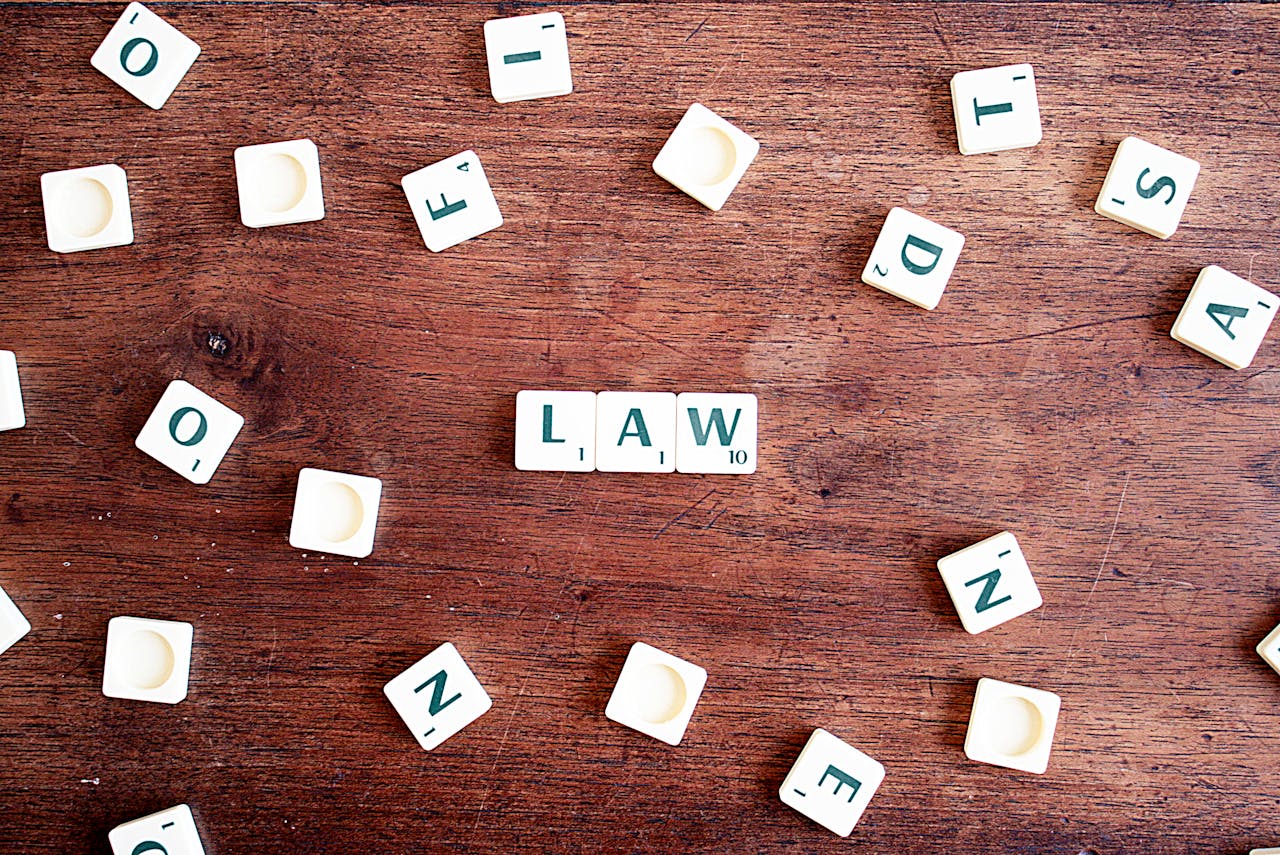
When accountability flourishes, tyranny retreats.
Here’s the YouTube Video for this post – TICK!
Introduction and Background
Imagine waking up one morning to find that your government is no longer protecting your constitutional rights, your children’s future, or the precious natural world that sustains us. This scenario might sound extreme, yet history shows that democracies can falter when led by those who crave unchecked power. Today, the United States is facing a serious dilemma—a newly elected president who appears to be taking visible steps toward becoming a dictator. This concerning development poses a grave risk to our democracy’s well-being, our children’s health, and the protection of our Climate and Ecological (Green) balance.
As Adaptive Resiliency advocates, we understand that threats to democracy don’t merely endanger political institutions; they also imperil our responses to pressing issues such as global warming, biodiversity loss, and social inequality. No single person or government institution can be allowed to stand above the law, especially when the stakes involve the survival of our planet and the promise of freedom for future generations. In this blog post, we will explore the foundational concept of the Rule of Law in the United States and how everyday citizens—from city sidewalks to rural farmlands—can collaborate with mayors, governors, and law enforcement to defend democracy and safeguard Climate and Ecological (Green) protections. Ultimately, our aim is to encourage proactive engagement, because we must never give up in this endeavor.
Throughout history, countless individuals have resisted authoritarian regimes and oppressive structures. From the civil rights marches of the 1960s led by Dr. Martin Luther King Jr. to modern-day activists combating corporate polluters and government overreach, civic engagement has frequently proven to be the most effective barrier against tyranny. “Injustice anywhere is a threat to justice everywhere,” Dr. King famously stated, underscoring how critical it is for all members of society to defend the rights of their neighbors. With democracy under siege at the highest levels of government, it is more vital than ever to adopt a spirit of Adaptive Resiliency—to remain flexible, informed, and creative in the face of evolving challenges.
This post is divided into two parts. Part 1 examines what the Rule of Law means in the United States and whether anyone is exempt from it. Part 2 addresses how citizens can work with local leaders like mayors and governors, as well as with law enforcement, to reinforce this fundamental principle. In both sections, we will extend beyond the bare facts, weaving in real-world examples and historical events that highlight why an unwavering commitment to accountability and transparency is indispensable for a free society—especially one that aims to protect our Climate and Ecological (Green) well-being.
Part 1: The Rule of Law—Meaning and Application
What Does the ‘Rule of Law’ Mean in the United States, and Is Anyone Exempt?
The principle of the Rule of Law is foundational to American democracy, ensuring that all individuals, institutions, and government entities remain equally accountable to publicly established laws. While this concept is central to U.S. governance, its application involves nuanced exceptions that reflect both legal tradition and practical realities.
“Law was made for one and all—it does not bend for power, nor does it yield to rank.” – From a 1974 speech by Justice Thurgood Marshall
Three Key Principles of the Rule of Law:
- Equal Accountability
No person or institution—including government officials—is above the law.[1][2] Regardless of status, individuals can be investigated, tried, or otherwise held responsible for violating legal standards. - Transparency and Fairness
Laws must be publicly accessible, consistently enforced, and adjudicated by independent judges and juries.[3][7] If laws are shrouded in secrecy or enforced unevenly, public trust crumbles, paving the way for despots who exploit confusion to their advantage. - Alignment with Constitutional Rights
All laws must align with constitutional rights, such as due process and equal protection under the Fourteenth Amendment.[5][7] This principle ensures a safeguard against arbitrary or discriminatory enforcement.
Federally, the Rule of Law weaves together a system of governance “of the people, by the people, for the people,” a phrase famously reaffirmed by President Abraham Lincoln in the Gettysburg Address.[1] States can craft additional laws as long as these align with federal standards, reflecting the diversity of America’s communities while maintaining core constitutional protections.[5]
Exceptions to the Rule of Law
Even though the Rule of Law aspires to universal fairness, there are specific exceptions and exemptions rooted in legal precedents and treaties.
- Diplomatic Immunity
Foreign diplomats and their families generally cannot be prosecuted under U.S. jurisdiction due to international treaties like the Vienna Convention.[5] This immunity ensures smooth diplomatic relations but typically does not shield individuals from infractions committed outside their official duties. - Tribal Sovereignty
Native American tribes, recognized as sovereign nations, have their own legal systems. Members often fall under tribal courts for certain civil or criminal issues instead of state courts. This arrangement upholds historical treaties and acknowledges Indigenous self-governance.[5][7] - Government Exemptions in Specific Cases
- State Flexibility: States can request waivers from federal mandates if they propose alternative methods deemed equally or more effective. For instance, Montana’s child support system, which handles paternity cases without jury trials, exists under an approved federal exemption.[6]
- Sovereign Immunity: Governments, whether federal or state, generally cannot be sued without their consent, although legislation such as the Federal Tort Claims Act has placed limits on that immunity.[7]
- Legal Fee Exceptions
Under the “American Rule,” each party in a civil lawsuit pays its own legal fees. However, courts can order a losing party to pay the other side’s fees if a lawsuit is frivolous or if a contract or statute calls for fee-shifting.[4]
Balancing Ideals and Realities
The Rule of Law remains a bedrock of U.S. democracy, but it also accommodates practical considerations. For instance, diplomatic immunity is narrowly defined to avoid undermining the broader principle that no one should be above the law.[5][7] Similarly, the Constitution’s framers recognized that the Rule of Law would evolve through judicial interpretation, legislation, and amendments to adapt to an ever-changing society.[2][3]
Non-Fiction Story – Watergate Scandal (1972-1974):
During the Nixon administration, a break-in at the Democratic National Committee headquarters led to a massive political scandal. Investigations revealed attempts at concealment that implicated high-ranking officials. Ultimately, President Nixon faced impeachment proceedings, confirming once again that no individual, not even the President, is above the law. This scandal’s outcome illustrated the Rule of Law in action: accountability was enforced at the highest levels of government, highlighting democracy’s capacity to correct itself when citizens and institutions are vigilant.
By championing written laws over arbitrary power, Americans have traditionally prevented authoritarian figures from consolidating absolute rule. Yet, as current events show, democracy requires an ongoing commitment from ordinary citizens. From the vantage point of Climate Change Community and Climate Tribe, a robust Rule of Law also secures the frameworks we need to protect our Climate and Ecological (Green) systems from reckless exploitation. This is where Adaptive Resiliency becomes critical: as laws and governing bodies adapt, we, too, must remain resilient, continuously engaging and learning to protect all facets of our freedoms.
Questions That Should Be Asked
- How does the Rule of Law impact everyday life in the United States?
- Are there any historical events that highlight the importance of the Rule of Law in the U.S.?
- How do different levels of government in the U.S. enforce the Rule of Law?
- What are some examples of laws that are considered fundamental under the Rule of Law?
- How does the Rule of Law compare to other countries’ legal systems?
Part 2: Working Together to Uphold the Rule of Law
How Can Citizens Collaborate with Law Enforcement and Their Leaders (Mayors and Governors)?
Citizens play a pivotal role in maintaining the Rule of Law by partnering with law enforcement agencies, community organizations, and public officials. This synergy bolsters accountability, transparency, and mutual respect while addressing systemic shortcomings. Ensuring a fair legal system is not solely a job for the courts or elected representatives; it is a collective responsibility that includes everyday people from all walks of life.
“Democracy is not a spectator sport.” – Former U.S. Congressman Lee H. Hamilton
Collaborative Partnerships Between Citizens and Law Enforcement
By forging direct relationships with police departments, sheriff’s offices, and other law enforcement agencies, citizens can effectively shape policing strategies and encourage ethical conduct.
- Joining Citizen Advisory Boards
Advisory boards enable residents to offer feedback on local policing strategies, resource allocation, and policy reforms. For example, the Ithaca Public Safety Model (adopted in 2021) restructured policing by introducing unarmed responders—an innovation sparked by active civilian input and oversight.[4] - Participating in Community Policing Programs
Neighborhood watch groups, “Coffee with a Cop” events, and programs like National Night Out create opportunities for law enforcement and community members to interact on a regular basis.[1][3] Trust improves when officers become familiar faces rather than distant figures. Digital tools—like local WhatsApp or Facebook groups—also help neighbors report suspicious activity more efficiently. - Volunteering and Attending Meetings
Civilians can support law enforcement administratively (such as handling records), assisting in search-and-rescue missions, and taking part in code enforcement tasks.[1] Attending community meetings or town halls further ensures that local safety concerns reflect the voice of the citizenry.
Working with Mayors and Governors
Beyond law enforcement, municipal and state leaders have a significant influence on public policies, budgets, and legislative priorities. Citizen advocacy and participation ensure that these leaders address community needs and uphold democratic values.
Mayors
- Advocating for Policy Reforms
Mayors frequently initiate forward-thinking programs, including harm reduction efforts for substance abuse or participatory budgeting models.[4][6] Citizens can lobby for changes through petitions or direct testimony at city council meetings. - Holding Public Officials Accountable
Through surveys, public forums, and social media platforms, residents can remind mayors and other city officials to maintain transparency and ethical standards in resource distribution and law enforcement oversight.[6]
Governors
- Influencing Legislation
Governors wield considerable power over state-level budgets and lawmaking. By writing letters, attending legislative hearings, or campaigning for bills, citizens can guide their state’s policy direction—particularly important in areas like election laws, environmental protections, and social justice.[5] - Supporting Oversight Mechanisms
Independent or bipartisan commissions investigate potential misconduct at state levels. Public encouragement for such reviews, especially involving law enforcement practices, keeps officials honest and ensures that no single branch or individual accumulates too much unchecked power.[5]
Successful Models of Citizen-Leader Collaboration
- Participatory Budgeting
Vallejo, California, introduced a program allowing residents to decide directly how a segment of the city’s budget is spent. This democratic approach produced tangible improvements in infrastructure, youth programs, and other community-driven priorities.[6] - Civilian-Led Public Safety
Ithaca, New York, replaced its traditional police department with a civilian-led model, focusing on social services and crisis intervention.[4] This shift came after extensive consultations with local residents, illustrating how grassroots involvement can reshape public safety to reflect community values. - Digital Engagement Platforms
Cities like Seattle use apps such as “Your Voice, Your Choice” to gather ideas from locals about neighborhood improvements, facilitating broader transparency and trust in municipal decision-making.[6]
Benefits of Active Participation
- Increased Trust
Community-based efforts to reform policing and governance often lead to greater mutual respect between citizens and authorities, as transparency and direct communication replace suspicion.[2][6] - Resource Efficiency
By incorporating the community’s insights, leaders can allocate resources more effectively, whether strengthening mental health crisis response teams or investing in environmentally responsible infrastructure projects.[4] - Strengthened Democracy
When people engage directly, cynicism fades. Authoritarian tendencies thrive in environments of apathy and helplessness. Active citizenship underscores the collective power to enact change, making it much harder for any single entity—be it a president, corporation, or local bureaucracy—to seize total control.
Non-Fiction Example: Citizen Involvement in Post-Hurricane Recovery
After Hurricane Sandy devastated parts of the East Coast in 2012, local governments in New York and New Jersey initially struggled to provide immediate relief to certain hard-hit communities. In response, volunteer networks sprang up—consisting of residents, church groups, social workers, and even local fire and police officers—demonstrating a rapid, collaborative approach to crisis. These efforts were later integrated into official city and state responses, creating a template for improved disaster management. This example illustrates the power of collective problem-solving, a principle at the heart of Adaptive Resiliency. When citizens work with elected officials and agencies, solutions become more holistic, inclusive, and enduring.
Why This Matters for Climate and Ecological (Green) Stewardship
Every day, crucial decisions are made regarding energy policy, environmental regulations, and land use. Ensuring that local and state government leaders remain accountable preserves the legal pathways needed to protect natural habitats, mitigate pollution, and uphold wildlife conservation. Indeed, the rule of law acts as a protective shield for the environment, preventing special interests from bypassing regulations or exploiting public lands irresponsibly.
Tito Alvarez, also known as cCc, emphasizes that environmental advocacy is linked directly to human rights and social justice. When we allow authoritarian leaders to undermine democracy, we also open doors to the weakening of environmental protections. By standing firm in defense of the Rule of Law, we uphold moral and legal guardrails that can sustain life on Earth—both for today’s citizens and future generations.
Conclusion: A Call to Action
In this era of heightened uncertainty—where a new president in the United States appears to be charting a course toward unfettered power—the Rule of Law stands as a beacon of hope and stability. We must recognize that democracy is not automatic; it requires constant protection, especially when the stakes include protecting our children’s futures and preserving the delicate balance of our Climate and Ecological (Green) systems.
From advising law enforcement and participating in community-driven policing reforms to influencing the priorities of mayors and governors, citizens play an indispensable role in safeguarding democracy. As we have seen through examples like the Watergate scandal and post-Hurricane Sandy relief, both accountability and collaboration are key to ensuring that no leader, no institution, and no faction can subvert our shared principles of liberty and justice.
Standing together, we embody Adaptive Resiliency, staying flexible and resolute in the face of complex threats—political, social, and environmental. As we confront greed, arrogance, and shortsightedness, let us remember that we must never give up in this endeavor. It is our collective responsibility to defend the Rule of Law, which in turn defends the freedoms, opportunities, and vibrant ecosystems we cherish.
Questions One Might Want to Ask
- What are some successful examples of community policing initiatives?
- How can citizens effectively communicate their concerns to local law enforcement?
- What role do citizen advisory boards play in improving police-community relations?
- How can volunteers contribute to law enforcement efforts in their communities?
- What are the benefits of participating in law enforcement surveys for community members?
By posing these questions and pursuing meaningful answers, we fortify our capacity to protect not only our rights but also our Climate and Ecological (Green) inheritance. Democracy endures when nurtured by informed, engaged citizens—individuals unafraid to speak out, step up, and insist that justice applies equally to all.
“Hope is earned through action, not granted by power.” – A reflection by climate advocate Bill McKibben
Let this blog post serve as both a beacon and a challenge: stay watchful, stay vocal, and stay resilient. Our children, our environment, and the future of free societies everywhere depend on it.
Citations:
[1] Settle in US – US Law & Rule of Law
[2] Federal Bar Association – President’s Message
[3] USCourts.gov – Overview: Rule of Law
[4] Investopedia – American Rule
[5] Constitution.Congress.gov – Fourteenth Amendment
[6] ACF.HHS.gov – Mandatory Laws and Procedures
[7] Wikipedia – Rule of Law
(Other cited and referenced materials are listed in the source content.)
cCc
 empowerment & inner transformation...
Leave a comment