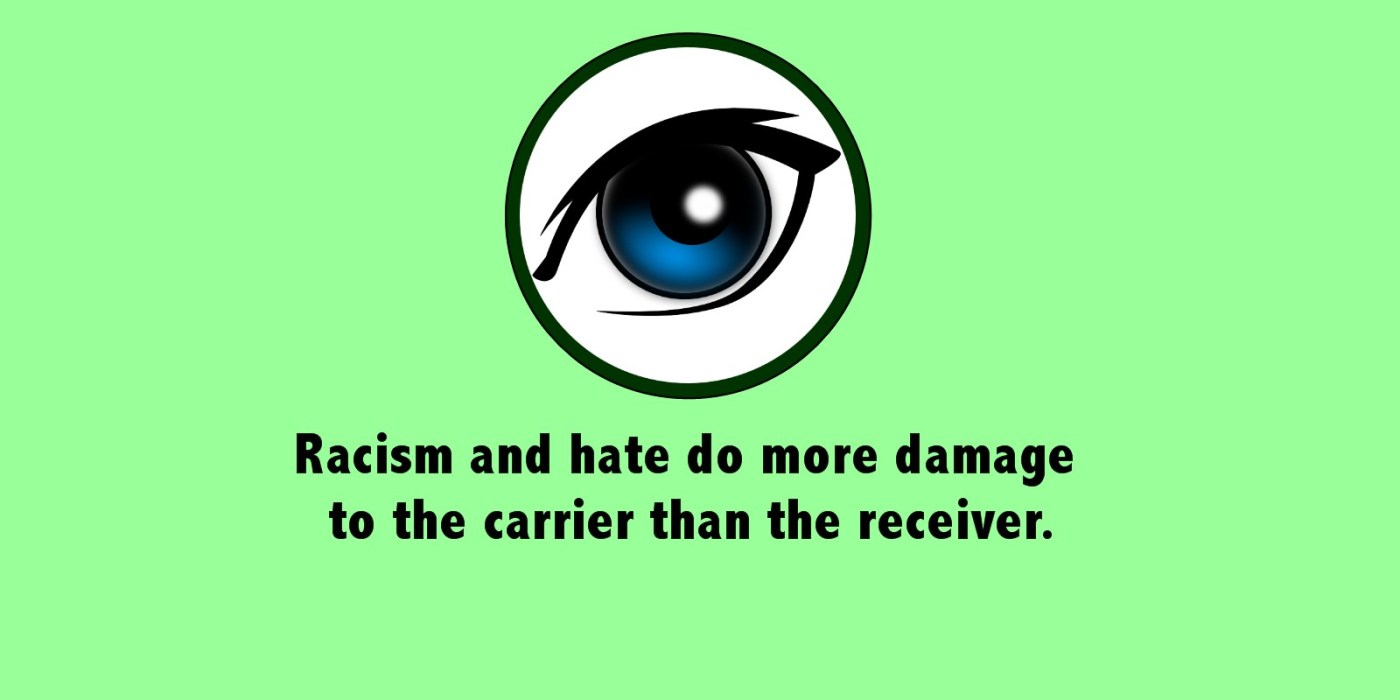
“Understanding how negative beliefs damage the hater’s own mind can spark empathy, growth, and a path toward true healing.”
Written by Climate Change Community, Content Curator, Tito Alvarez, Improved by his cCc’s AI assistant Eva.
Introduction and Background
Racism and hatred not only harm the individuals targeted but also deeply affect those who harbor these negative feelings. While much attention is given to the victims of racism—and rightly so—it’s also important to examine what happens mentally and emotionally to the people who perpetuate such hate. In many ways, maintaining racist or hateful beliefs ends up causing a hidden but powerful kind of suffering for the individuals who hold these destructive views.
In this blog post, we will do a deep dive into what mentally and emotionally happens to those who are racist and hateful towards others, and explore the long-term damage they do to their own personality and outlook on life. This journey will also highlight how a rigid, negative mindset can weaken Adaptive Resiliency—the kind of inner strength we need when facing some of our biggest shared global challenges, like Climate concerns and Ecological preservation. Human cooperation and empathy lie at the heart of meaningful progress, yet racism works against these virtues by creating division, distrust, and bitterness. When people embrace hateful ideas, they set themselves up for emotional turmoil and social isolation, all while limiting their own capacity to grow and adapt in a rapidly changing world.
We will start by outlining the mental, emotional, and physical toll racism can take on those who perpetuate hate. From there, we will look at how it affects a person’s relationships, overall worldview, and long-term prospects. We will also delve into questions about how racism affects mental health over time, drawing on various sources and research that shed light on this critical issue. Ultimately, we need to remember that addressing and dismantling racism isn’t just about helping victims (which is, of course, paramount); it’s also about freeing perpetrators from the destructive cycle that hatefulness perpetuates. Only then can we build the Adaptive Resiliency needed to unite communities and truly save humanity from the damage done by greed, arrogance, and ignorance.
The Mental and Emotional Toll of Hatred
Racism is rooted in fear, ignorance, and a sense of superiority, but maintaining these beliefs often comes at a psychological cost. Here are some ways in which racism and hatred can harm the mental and emotional well-being of those who perpetuate them:
1. Cognitive Dissonance
Many people who hold racist beliefs experience cognitive dissonance—a conflict between their actions or beliefs and their internal sense of morality. For example, they may understand at some level that all humans deserve respect and dignity, yet they behave or speak in ways that contradict this understanding. This inner conflict often creates stress, anxiety, and a deep sense of unease. Over time, this dissonance may lead to emotional exhaustion as they struggle to reconcile their actions with their values.
“I felt like I was always battling myself,” recalls a fictional individual named Anthony, who once held racist views but later sought to change. “A part of me knew better, but my hatred kept pushing me in the wrong direction.”
This persistent inner war can disrupt a person’s peace of mind, affecting their self-esteem and even leading them to withdraw from positive social interactions. They might become defensive and refuse to accept facts that contradict their hate-filled beliefs, adding another layer of stress to their life.
2. Emotional Instability
Hatred is an intense emotion that can lead to chronic anger, frustration, and even paranoia. People who embrace racist ideas often feel they must be on constant alert—defending their prejudices, questioning others’ motives, or obsessing over grievances. This heightened emotional arousal can contribute to irritability, aggression, and an overall inability to manage stressors in a healthy way.
As the cycle of negative emotions continues, it’s not unusual for racist individuals to experience difficulties with mood regulation, sometimes spiraling into bouts of rage or deep sadness when their views are challenged. Over time, this emotional instability can erode both mental and physical health, leaving them vulnerable to more severe conditions like anxiety or depression.
3. Narrowed Worldview
Racism fosters a rigid and limited perspective on life. By categorizing people into stereotypes or hierarchies, individuals close themselves off from the richness of human diversity. This narrow worldview often leads to loneliness, isolation, and a lack of personal growth. For instance, a racist person may refuse opportunities to learn about other cultures or interact with people from different backgrounds. This refusal robs them of life-changing experiences that could broaden their perspective, enhance their empathy, and boost their sense of interconnectedness—qualities vital for Adaptive Resiliency.
In our rapidly changing world, having an open mind is essential to adapt to new social, technological, and environmental realities, including pressing Climate and Ecological challenges. When individuals cling to hate and refuse to learn from others, they essentially lock themselves into an echo chamber. Their capacity to collaborate on global issues or develop meaningful cross-cultural relationships diminishes significantly, leaving them psychologically and socially stuck.
4. Impact on Relationships
Hatred alienates people—not just from those they target but also from friends, family members, or colleagues who do not share their views. Over time, this isolation can erode social support systems, leaving them without meaningful connections or a sense of community. Humans are social beings, and healthy relationships provide emotional support, companionship, and opportunities for personal growth.
When someone continually expresses hateful ideas, even people who might otherwise care about them can find it difficult to maintain a close relationship. The resulting sense of loneliness and lack of belonging can lead to deeper feelings of resentment, creating a self-perpetuating loop of negativity.
5. Chronic Stress
Maintaining racist beliefs often requires constant vigilance to justify prejudices or avoid challenges to those beliefs. This vigilance creates a state of chronic stress. Studies have shown that prolonged stress contributes to serious physical consequences such as high blood pressure, heart disease, and migraines. It also heightens the risk for mental health issues like anxiety, depression, and even post-traumatic stress disorder (PTSD)-like symptoms in extreme cases.
Over time, the body and mind are simply not built to handle continual stress without repercussions. People trapped in hatred may experience sleep disturbances, increased irritability, and an inability to cope with daily problems. This mental strain spills over into other parts of their life, inhibiting productivity, damaging relationships, and lowering overall quality of life.
The Damage to Personality
Racism doesn’t just affect mental health; it also shapes personality traits in harmful ways:
- Increased Hostility: Racist individuals may become more aggressive or confrontational as they try to defend their beliefs. This defensiveness can make everyday interactions difficult, leading to conflicts at home, in the workplace, and in public spaces.
- Lack of Empathy: Constantly dehumanizing others reduces the ability to empathize with anyone outside their own group. This lack of empathy hampers forming genuine, caring relationships and can turn the person into someone who appears cold or uncaring.
- Stunted Personal Growth: Hatred prevents self-reflection and openness—two qualities essential for personal development. When people resist learning about other cultures, perspectives, or scientific realities like our current Climate crisis, they lose valuable opportunities to expand their worldview and adaptability.
Taken together, these personality shifts can harden an individual’s heart, making it increasingly difficult for them to break the cycle of hate.
Long-Term Outlook on Life
Over time, these mental and emotional effects can lead to a bleak outlook on life:
- Pessimism: Racist individuals often focus on perceived threats or grievances rather than opportunities for connection or personal improvement. This negativity clouds their perspective, reducing their ability to find joy or hope.
- Hopelessness: A rigid worldview may leave them feeling stuck in an endless loop of bitterness. They see the world as filled with enemies rather than potential allies, which erodes the sense of possibility for positive change.
- Regret: As society moves toward greater inclusivity, racist individuals may find themselves increasingly out of step with the world around them. This disconnection can lead to regret or irrelevance, intensifying their sense of isolation.
From a broader lens, a person who is racist might struggle to adapt in our evolving global community—one where working together is critical to address urgent Ecological and Climate emergencies. By clinging to hate, they limit their own potential to collaborate, innovate, and form alliances that could strengthen their Adaptive Resiliency.
Breaking the Cycle
While racism harms both its victims and perpetrators, it’s possible for individuals to change. Education, exposure to diverse perspectives, and self-reflection can help dismantle hateful beliefs. Mental health professionals, especially those trained in multicultural or cross-cultural counseling, also play a crucial role in addressing the underlying fear or trauma that often fuels racism.
“Change was slow but transformative,” says fictional counselor Dr. Miriam Roche. “When someone begins to see how hate is hurting them as much as it hurts others, they start to open up to new ways of thinking.”
Community programs that encourage dialogue and cultural exchange can further chip away at prejudice. On a personal level, confronting internal biases requires humility and courage, but it can lead to profound growth. Once people free themselves from hate, they often discover a richer sense of purpose and a more fulfilling connection to the world, thereby strengthening their Adaptive Resiliency.
Extended Questions to Explore
- How does racism affect the mental health of individuals over time?
Repeated exposure to negative stereotypes and biased thinking can cause long-term emotional distress, chronic stress, and even mental health disorders like depression and anxiety. - What are the long-term psychological effects of internalized racism?
People who internalize racist ideas against their own community can suffer from low self-esteem, identity crises, and a loss of cultural pride. - How does racial trauma manifest in daily life?
Racial trauma can lead to hypervigilance, emotional exhaustion, avoidance behaviors, and increased sensitivity to potential discrimination in everyday situations. - What role does self-esteem play in the mental health of those affected by racism?
For perpetrators, low self-esteem can feed a need to feel superior; for victims, constant discrimination can erode their sense of self-worth. Both outcomes harm overall mental health. - How does avoiding interactions with others due to racism impact social skills?
Avoidance due to bias or fear starves individuals of opportunities to develop empathy, communication skills, and cultural competence, leaving them socially and emotionally stunted.
Part 2: How Does Racism Affect the Mental Health of Individuals Over Time?
Racism has profound and lasting effects on the mental health of everyone involved—both those who suffer from it directly and those who perpetuate it. Yet in this section, we’ll explore more deeply how it can become a chronic burden that shapes emotional, cognitive, and behavioral health.
1. Chronic Stress and Trauma
Experiencing or perpetuating racism can result in sustained stress. This stress triggers the release of hormones like cortisol, which, when elevated for too long, may lead to anxiety disorders and even depression. Prolonged exposure sometimes develops into racial trauma, with symptoms similar to PTSD, including hypervigilance, intrusive thoughts, and severe emotional distress.[1][6][8]
2. Depression and Anxiety
People trapped in cycles of hate or targeted by hate are both at risk for depression. Those harboring racist beliefs may feel a pervasive sense of anger and hostility, which can morph into a persistent feeling of sadness or hopelessness once the initial adrenaline rush fades. Anxiety arises from being constantly on guard or fearful of challenges to their worldview.[1][3][5]
3. Internalized Racism
In some cases, individuals turn hatred inward. They may start believing harmful stereotypes about their own race or heritage. This internalized racism erodes self-confidence and fosters shame or self-hatred. Over time, it can disrupt one’s identity and sense of belonging, leading to social withdrawal and even self-destructive behavior.[2][4]
4. Emotional Exhaustion
Whether someone is a perpetrator or a victim, emotional exhaustion often follows repeated encounters with discrimination. This exhaustion might manifest as a lack of motivation to engage with others, difficulty focusing on goals, or an overarching sense of apathy. It’s a draining process that stifles creativity, empathy, and hope.[2][4]
5. Behavioral Responses
Some individuals cope with racial stress or guilt by turning to substance abuse. Others might become more defensive, argumentative, or withdrawn. These behaviors can further erode mental well-being and social connections, feeding into a vicious cycle of isolation.[4][6]
Cognitive Impacts
Racism doesn’t only affect emotions—it also influences how people think:
- Hypervigilance: Individuals may become overly alert for real or imagined threats, leading to paranoia and a distorted perception of reality.
- Negative Worldview: Constant exposure to hateful ideas fosters a belief that the world is hostile or filled with enemies.
- Difficulty Concentrating: Ongoing stress can make it hard to focus on tasks or make clear decisions, whether at school, work, or in personal pursuits.[1][7]
Long-Term Consequences
1. Racial Trauma
Chronic exposure to racist environments leads to lasting mental scars. A person might relive traumatic events or develop an ongoing sense of unease. This can hinder their ability to succeed in various life domains—education, employment, or personal relationships.
2. Physical Health Decline
Stress isn’t just emotional; it has real physical implications, such as a greater risk of heart disease, hypertension, and weakened immune responses. Over time, this convergence of mental and physical strain can shorten lifespans and reduce overall quality of life.
3. Intergenerational Impact
Trauma, including race-related trauma, can be passed down through family behaviors, shared beliefs, and environmental factors. Thus, the impact of racism often transcends one generation, affecting the well-being and worldview of children and even grandchildren.[1][6][8]
Coping Strategies and the Path to Change
Even though the effects of racism can be severe, there are ways to reduce its impact:
- Building Support Networks: Connecting with understanding peers or community groups can offer emotional support and shared coping strategies.
- Therapeutic Interventions: Mental health professionals trained in cultural competence can help individuals process and heal from racial trauma, whether they are the targets or perpetrators of hate.
- Strengthening Racial Identity: Embracing one’s cultural heritage can protect against internalized racism and affirm self-worth.[6][8]
From another angle, those who perpetuate racism can find pathways to change by engaging in empathy training, cultural exchanges, and genuine self-reflection. Accepting responsibility and actively working to unlearn hateful stereotypes can transform not only the individual but also the community around them.
Conclusion
Racism is a social ill that hurts everyone it touches. While its harm to the victims is obvious and must never be overlooked, it’s crucial to recognize the hidden damage done to those who harbor hate. Through chronic stress, emotional instability, a narrowed worldview, and social isolation, people who cling to racist beliefs end up limiting their own potential for growth, empathy, and Adaptive Resiliency. They risk damaging their physical and mental health, straining relationships, and missing out on the richness of human diversity.
In a world facing serious challenges—like the Climate crisis and urgent Ecological threats—humanity’s collective future depends on our ability to cooperate, show compassion, and pool our diverse strengths. Hate blocks the path to unity. By understanding the toll racism takes on the perpetrator’s mind and heart, we can more effectively advocate for education, support, and meaningful intervention. With continued efforts toward inclusivity, empathy, and compassion, we stand a much greater chance of saving humanity from the damage done by greed, arrogance, and ignorance—while also fostering a more resilient and hopeful global community.
Additional Questions for Reflection
- How does systemic racism contribute to mental health issues for both perpetrators and victims?
- What are the differences in mental health impacts between micro-level discrimination and macro-level racism?
- How does racism influence the development of substance use disorders in certain communities?
- What are the brain changes associated with experiencing chronic racial stress or trauma?
- How does racism affect mental health differently across various ethnic groups with distinct historical contexts?
Citations
- PMC Article on Racism and Health Impacts
- Mental Health Foundation: Racism and Mental Health
- Psychological Impacts of Racial Discrimination
- NY Mental Health and Cultural Competence Report
- MHA on Racism and Mental Health
- MHA on Racial Trauma
- Mind.org: Racism and Mental Health Resources
- Medical News Today: Effects of Racism on Well-Being
By shining a light on the mental and emotional toll borne by racists themselves, we reveal one more critical reason why dismantling racism is so urgent. When hate pervades the soul, it not only inflicts suffering on its targets but also eats away at the person holding onto it. This understanding can fuel deeper empathy for everyone entangled in prejudice, sparking compassion-driven dialogue and purposeful education. As we each commit to addressing racism in our communities, we strengthen our shared capacity for Adaptive Resiliency, fostering a world better equipped to face challenges—be they social, Climate, or Ecological—with unity and hope.
Thank you for reading this post and listening to the Podcast!
Tito
 empowerment & inner transformation...
Leave a comment