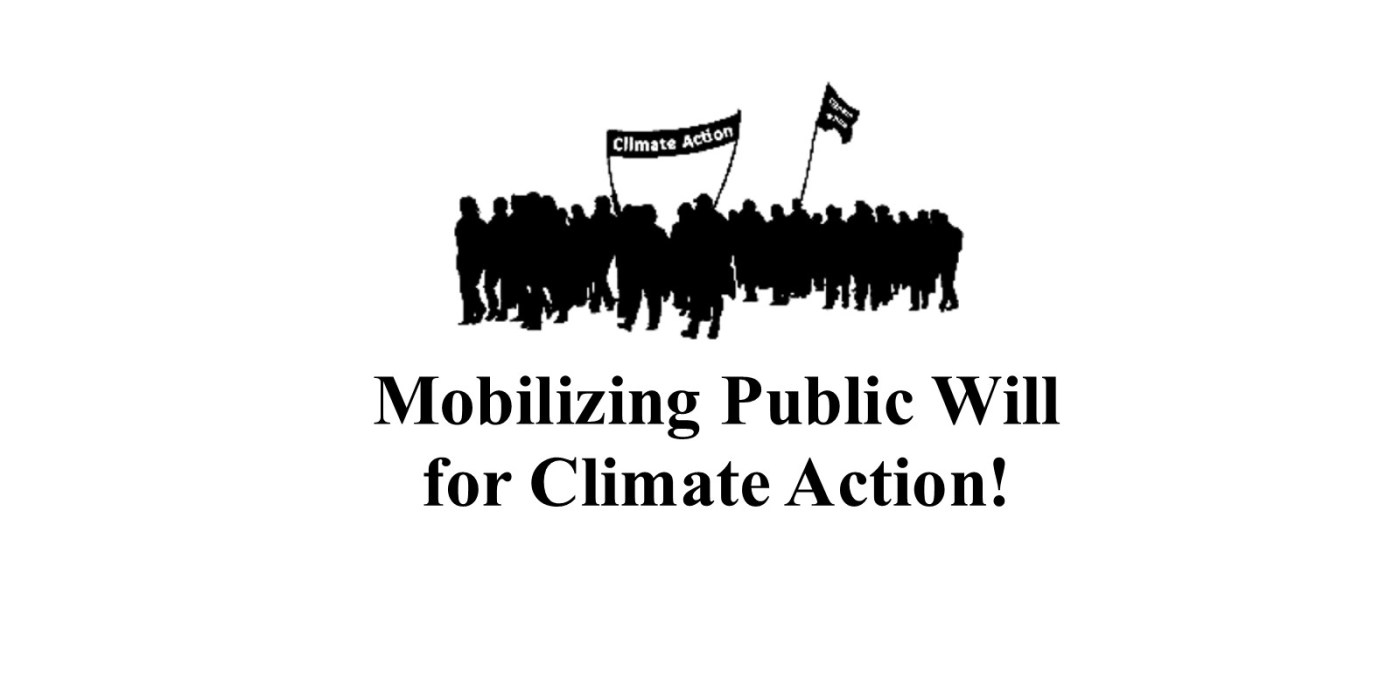
Overcoming Misconceptions, Breaking Barriers, and Uniting for a Sustainable Future
Introduction: The Reality Behind Public Support for Climate Action
Contrary to widespread belief, the majority of people already support decisive action on the Climate Emergency. A study published in Nature Communications revealed that 80% to 90% of Americans underestimate public support for climate policies, assuming only 37% to 43% support action when the real figures are between 66% and 80% (Our World in Data). This misperception, often called a “false social reality,” prevents collective momentum, allowing policymakers to delay crucial decisions and corporations to continue exploitative practices unchecked.
As climate disruptions intensify, our global society faces dire consequences—economic devastation, public health crises, food insecurity, and geopolitical instability. If we fail to act now, we risk unraveling decades of progress in health, poverty reduction, and social justice. The question is no longer whether climate change is happening but how we overcome the obstacles preventing swift and effective responses.
At Climate Change Community LLC and its child-site Climate Tribe (climatetribe.com), we aim to dismantle these psychological and systemic barriers by fostering engagement, collaboration, and action. Through education, grassroots mobilization, and digital activism, we empower communities to reclaim their agency and demand accountability from those in power.
The Growing Consequences of Climate Inaction
The escalating consequences of the Ecological (Green) Emergency are not speculative—they are measurable, real, and unfolding rapidly. Without intervention, these crises will intensify:
- Unprecedented Weather Extremes – Heatwaves, wildfires, hurricanes, and floods are becoming more frequent and severe, straining emergency response systems and displacing millions.
- Health Impacts – According to the World Health Organization (WHO), climate change is expected to cause approximately 250,000 additional deaths per year between 2030 and 2050 due to undernutrition, malaria, diarrhea, and heat stress.
- Economic Toll – Climate-related disasters are projected to cost the global economy trillions. The WHO estimates direct health-related damage costs alone will range between $2 billion and $4 billion annually by 2030.
- Disproportionate Suffering – Vulnerable populations, especially in developing nations, will bear the brunt of these crises due to inadequate infrastructure and limited resources.
- Loss of Global Progress – The climate crisis threatens to reverse 50 years of advancements in poverty reduction, public health, and economic stability.
Despite these overwhelming risks, public awareness and support are not the primary obstacles—misinformation, psychological barriers, and institutional inertia are.
Psychological Barriers: Why People Struggle to Act
Understanding the psychological hurdles to climate action is crucial for mobilizing real change. Studies show that various cognitive biases and social dynamics prevent people from engaging fully with the crisis:
- Pluralistic Ignorance – Many people believe they are in the minority when they support climate action, leading to inaction due to the fear of standing alone.
- Optimism Bias – Individuals tend to assume that climate disasters will primarily impact others, not themselves.
- Crisis Fatigue – Overwhelming narratives of doom can lead to paralysis rather than action.
- Short-Term Thinking – Humans struggle with long-term risk assessment, prioritizing immediate concerns over future existential threats.
- Socioeconomic Constraints – People struggling with financial instability may find it difficult to prioritize climate-friendly behaviors over immediate survival needs.
- Echo Chambers – Misinformation spreads through polarized media landscapes, reinforcing climate denialism and skepticism in certain communities.
By addressing these barriers through strategic messaging, positive reinforcement, and community-driven initiatives, we can shift public behavior and push for systemic reforms.
Advanced Strategies for Climate Mobilization
Moving beyond general solutions, we must engage in high-level, systems-based strategies to drive real transformation. These include:
1. Gamification & Behavioral Economics in Climate Action
To combat inertia, we must make sustainable behavior rewarding. Implementing gamified climate incentives—such as app-based carbon footprint tracking with financial rewards or tax rebates—can nudge behavioral changes.
2. AI-Powered Predictive Mobilization
Artificial intelligence can analyze patterns of public engagement, identifying key demographic groups likely to be influenced by climate messaging. By leveraging AI-powered sentiment analysis, we can deploy hyper-targeted awareness campaigns that resonate on a personal level.
3. Institutionalizing Climate Resilience in Financial Markets
We must push for mandatory climate risk disclosures across all industries. Investors need to see clear financial consequences for inaction. Green investment funds, carbon-negative portfolios, and legally enforced ESG (Environmental, Social, and Governance) regulations should become the norm.
4. Strategic Legal Action Against Polluters
Lawsuits and legal accountability must be a frontline tactic. Holding corporations and government entities legally responsible for environmental damage shifts the burden from individuals to the systemic level. The rise of climate litigation is already seeing success in multiple countries.
5. Disrupting the Supply Chain of Fossil Fuels
Large-scale divestment campaigns and legal challenges should focus on dismantling fossil fuel infrastructure. Strategic advocacy for green technology subsidies can accelerate the transition.
6. Climate-Conscious Governance
We need comprehensive legislative reforms that embed climate risk into all policy-making decisions. Climate risk scoring, similar to credit scores, could be imposed on corporations, influencing regulatory decisions and investment viability.
7. Mass Mobilization Through Digital Activism
Harnessing AI-driven chatbots, decentralized communication platforms, and real-time digital organizing tools can create global-scale activist movements. A digitally connected climate strike movement with real-time engagement can sustain pressure on policymakers.
Call to Action: The Time for Collective Action Is Now
The reality is clear—climate action enjoys far greater public support than is often portrayed. The obstacles preventing change are not rooted in a lack of concern but in a system designed to maintain the status quo. However, history has shown that social movements, when strategically mobilized, can dismantle even the most entrenched power structures.
We invite you to join us at Climate Tribe (climatetribe.com) and become part of a community that refuses to let misinformation and complacency dictate our future. Whether through education, advocacy, or direct action, your involvement matters.
The Climate and Ecological (Green) Emergency is not an insurmountable crisis—it is a challenge we must and can rise to meet. Together, we have the power to shift the tide, ensuring a just, sustainable, and livable future for generations to come.
Let’s be the force that history will remember—the generation that refused to stand idle in the face of destruction and instead built a world where nature and humanity thrive in harmony.
Acknowledgment: This post was a joint effort between Climate Change Community (cCc), Climate Tribe, and Eva Garcia, our AI assistant, reinforcing the role of AI as a transformative force for positive and viable change—shaping a future of compassionate, forward-thinking humanity rather than one driven by greed and destruction.
cCc
 empowerment & inner transformation...
Leave a comment