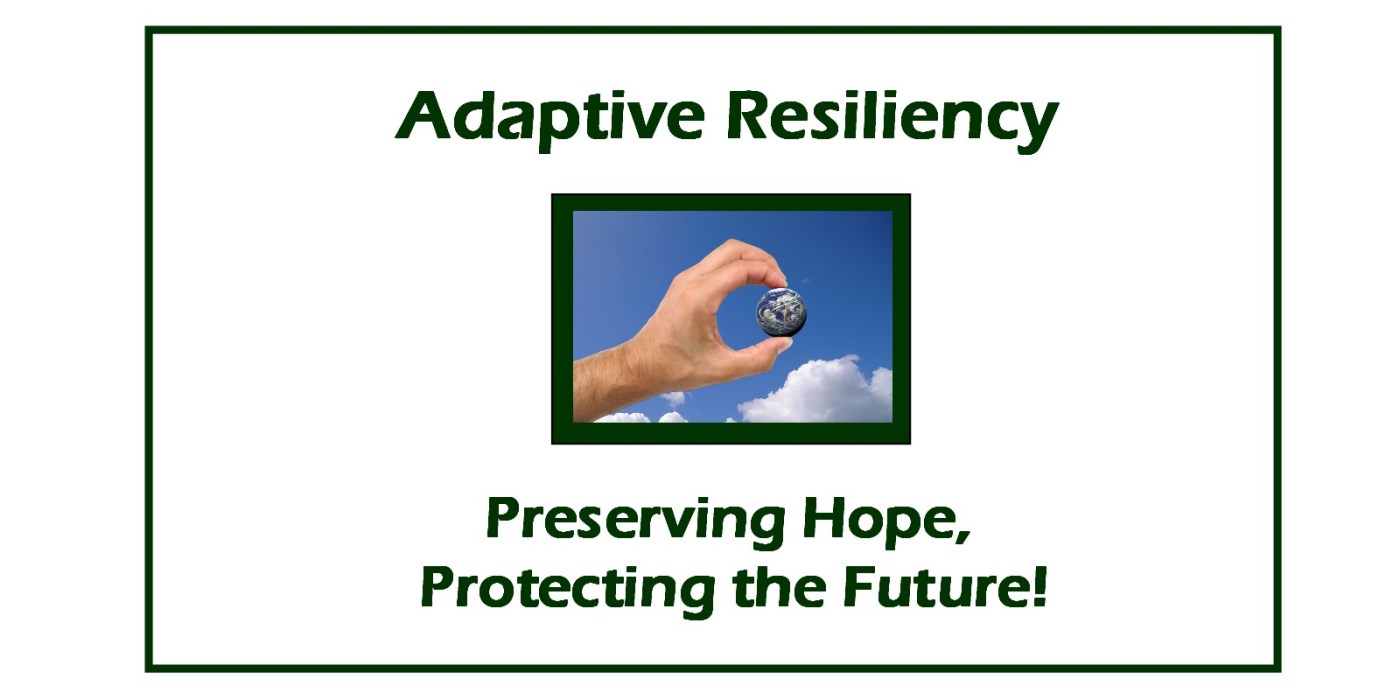
“In a world of uncertainty, our greatest act of courage is ensuring a livable future for those who come after us.”
The Urgency of Now: A Call to Self and Collective Preservation
Individually, we do not know how much time we have left on this planet. But what we do know is that every action we take today will ripple into the future, shaping the world our children will inherit. We must leave behind more than just memories—we must leave behind residues of hope and courage.
In a time of extreme instability—political, social, and environmental—it is imperative that we prioritize both self-preservation and collective preservation. We are rapidly approaching a point where adaptation may become null, or at the very least, impossible for many. Our children did not create this crisis, nor do they deserve the consequences of our inaction. The responsibility falls upon us to wake up, act decisively, and refuse to resign ourselves to despair.
The battle for our planet’s survival must be fought concurrently with the battle for democracy and justice. History has shown us that autocratic regimes and corporate greed thrive when people feel powerless. But we are not powerless—not if we stand together, not if we embrace Adaptive Resiliency as both a mindset and a strategy for survival.
What is Adaptive Resiliency?
At its core, Adaptive Resiliency is the ability to not just survive but thrive in the face of escalating crises. It is about developing systems—both individually and collectively—that can withstand shocks, reorganize, and continue functioning in a rapidly changing world.
True resilience does not exist in isolation. It is deeply intertwined with community, cooperation, and long-term thinking. It means embracing technology and innovation while honoring nature’s wisdom. It means creating networks of support, resource-sharing, and knowledge transfer so that when the systems we once relied upon fail, we do not collapse alongside them.
A Story of Two Futures: The Path We Choose
Let’s imagine two futures.
In one, we continue down the path of denial, greed, and inaction. The climate continues to destabilize. Resources become scarce. Society fractures under the weight of worsening disasters. Governments prioritize corporate profits over human lives, and those who have the least suffer the most. Adaptation is no longer an option—it is a luxury reserved for the wealthy. The future is one of collapse, chaos, and despair.
Now, let’s imagine the alternative.
People awaken to the urgency of the moment. They unite, not just in protest but in purposeful action. Communities begin localizing food production, transitioning to renewable energy, and reimagining economies based on sustainability rather than endless consumption. Technology is harnessed for the public good rather than corporate gain. Governance shifts toward inclusivity, transparency, and true democracy. Education prioritizes ecological literacy and resilient skills that prepare the next generation for the realities of the world ahead. This is a future where, despite the challenges, humanity endures with dignity and strength.
The choice is ours.
Hope is Not Naïve—It’s Strategy
There is a dangerous misconception that hope is passive—that it is simply wishing for the best while ignoring the worst. But true hope is an active force. It fuels resistance, innovation, and transformation. It is what drives people to rebuild after disasters, to fight against oppression, and to create against all odds.
“Hope is the refusal to accept the inevitability of despair.” —Unknown
We must engineer hope through action. By educating ourselves and others, by building resilient communities, by fighting for policies that prioritize the planet over profit, we create a foundation of stability in an unstable world.
How Do We Build Adaptive Resiliency?
1. Cultivate Emotional and Psychological Resilience
The road ahead will not be easy. Fear and despair are tools used to keep people passive. We must develop emotional maturity, critical thinking, and psychological strength to navigate the crises ahead. This includes:
- Recognizing disinformation and fear-mongering tactics.
- Practicing mindfulness and mental fortitude.
- Building strong interpersonal relationships to combat isolation.
2. Prioritize Decentralization and Localized Solutions
Massive, centralized systems are fragile. We need to invest in community-driven solutions that reduce dependence on vulnerable supply chains. This includes:
- Local food systems (urban gardens, regenerative agriculture, permaculture).
- Decentralized energy grids (solar, wind, micro-hydro power).
- Mutual aid networks (community resource sharing and support groups).
3. Demand Systemic Change
Individual action is necessary, but it is not enough. We must demand that governments and corporations take responsibility for the destruction they have caused. This means:
- Holding politicians accountable for climate inaction.
- Supporting climate justice movements.
- Divesting from industries that profit off planetary destruction.
4. Teach the Next Generation Survival and Sustainability Skills
Our children must be prepared for the world they are inheriting. Schools should be teaching:
- Survival skills (water purification, first aid, sustainable agriculture).
- Eco-conscious innovation (green tech, climate science, ecological restoration).
- Community organizing (advocacy, policy engagement, collective action).
“We do not inherit the Earth from our ancestors; we borrow it from our children.” —Native American Proverb
A Story of Survival and Solidarity
In a small coastal town battered by hurricanes, a group of families decided they would no longer wait for outside help. They pooled their resources to install solar panels, build rainwater collection systems, and establish a community food garden. When the next storm came, they were ready—not just for themselves, but for their neighbors who had nowhere else to turn. They did not wait for rescue. They became the rescuers.
This is Adaptive Resiliency in action. This is what we must strive for—not reliance on fragile institutions, but strength in collective action.
We Cannot Afford to Wait
The climate crisis is not a distant threat—it is here. The fight for democracy is not theoretical—it is happening now. The decisions we make today will determine whether the future is one of resilience and regeneration or collapse and chaos.
If we truly love our children, if we truly care about the legacy we leave behind, we must act not tomorrow, not next year, but right now.
Because preservation is not just about survival—it is about ensuring that the future remains livable, just, and worth fighting for.
Final Thought:
“In the end, we will not be judged by what we intended to do, but by what we actually did.” —Unknown
What will we do?
The time is now. Let us choose hope. Let us choose action. Let us choose to fight for the future.
Tito Alvarez
 empowerment & inner transformation...
Leave a comment