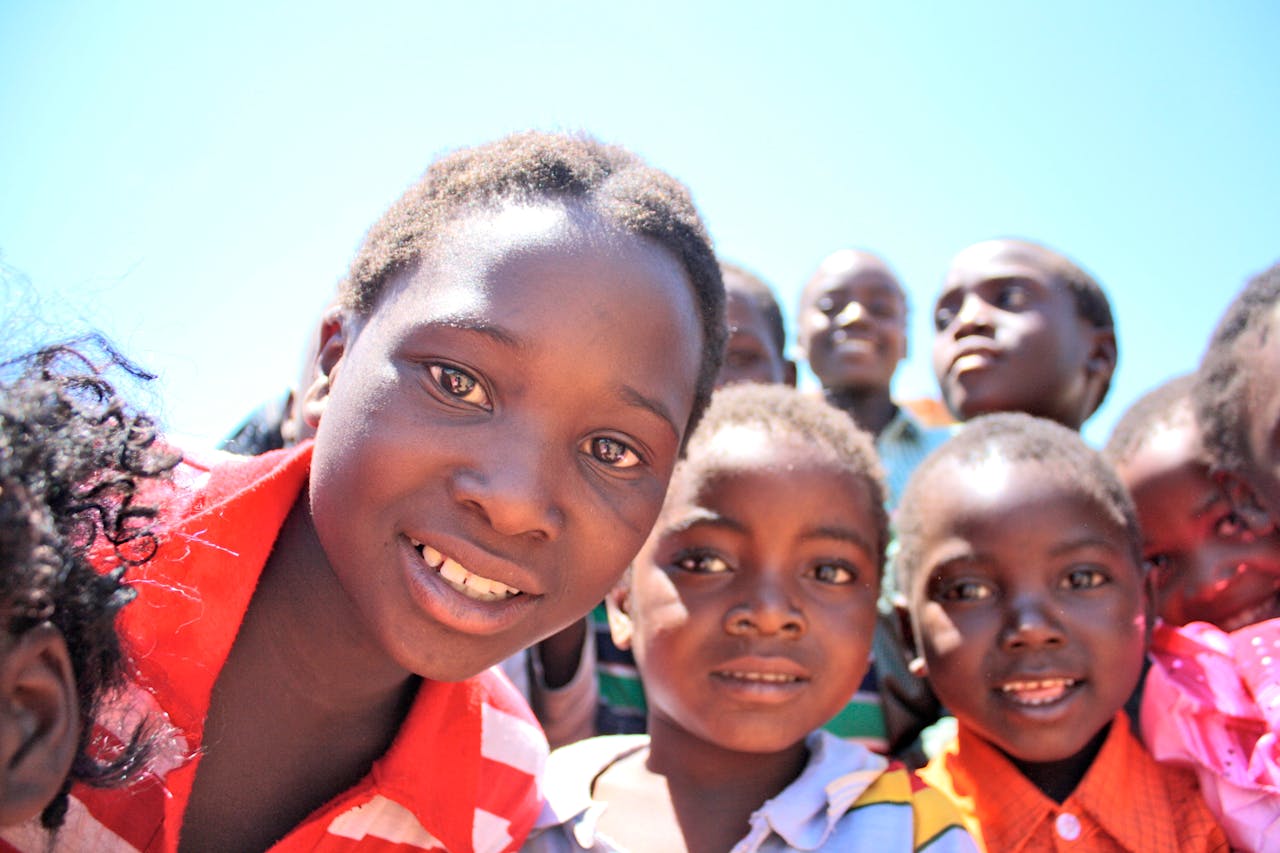
Refugees and Restoration: A New Model for Integration and Land Healing
In a groundbreaking initiative at the Chad-Sudan border, refugees and local Chadians are working together to address multiple challenges simultaneously. This innovative project, highlighted in Episode 2 of Andrew Millison’s series with the UN World Food Programme (WFP), demonstrates how refugee integration can be combined with large-scale land restoration efforts, potentially creating a new paradigm for refugee resettlement.
The Context: A Growing Refugee Crisis
The ongoing civil war in Sudan has forced over 1 million people to flee into neighboring Chad1. This influx has put immense pressure on Chad’s resources, particularly in the eastern region where refugee camps are located. The situation is further complicated by Chad’s existing challenges, including high levels of poverty and food insecurity2.
The Haguina Initiative: A Holistic Approach
To address these complex issues, WFP, in partnership with the Chadian government and other organizations, has launched the ambitious “Haguina” initiative3. This project aims to:
-
Rehabilitate 100,000 hectares of agricultural and pastoral land over five years
-
Support 500,000 farmers and herders from both refugee and host communities
-
Promote peaceful coexistence between displaced and local populations
Key Components of the Project
Water Harvesting
The project employs innovative water management techniques such as half-moons and dykes to replenish water-depleted soils and aquifers6. These methods are crucial in the semi-arid Sahelian ecosystem, where water scarcity is a significant challenge.
Food Production
By restoring degraded land, the initiative is dramatically increasing agricultural productivity. Some participating households have seen their harvests double or triple for each hectare of rehabilitated land6.
Massive Land Restoration
The project is part of a larger effort that has already restored over 300,000 hectares of degraded land across the Sahel region6. This work contributes to the ambitious Great Green Wall project, which aims to combat desertification across Africa.
Integration and Collaboration
One of the most striking aspects of this project is the collaboration between refugees and local Chadians. By working together on these restoration efforts, the initiative is fostering social cohesion and reducing potential conflicts over resources4.
A Model for the Future?
This project represents a potential new model for refugee integration that goes beyond traditional approaches. By linking refugee resettlement with environmental restoration and sustainable development, it addresses multiple UN Sustainable Development Goals simultaneously.
Benefits of this Approach:
-
Economic Opportunity: Refugees and locals gain skills and income through the restoration work3.
-
Environmental Improvement: Degraded landscapes are transformed into productive ecosystems6.
-
Food Security: Increased agricultural productivity benefits both refugees and host communities6.
-
Social Cohesion: Collaborative work fosters understanding and reduces potential conflicts4.
-
Climate Resilience: Restored landscapes are better able to withstand climate shocks4.
Challenges and Considerations
While promising, this approach faces challenges, including:
-
Securing long-term funding and support
-
Ensuring equitable access to resources for all participants
-
Adapting the model to different ecological and social contexts
Conclusion
The project at the Chad-Sudan border demonstrates the potential for innovative, integrated approaches to refugee resettlement. By combining humanitarian aid with sustainable development and environmental restoration, it offers a vision of how refugee crises could be transformed into opportunities for positive change.
As the world grapples with increasing displacement due to conflicts and climate change, this model provides valuable lessons for policymakers, aid organizations, and communities worldwide.
For more information on this inspiring project, watch Andrew Millison’s full episode here: https://youtu.be/jfiH9T-iR3E?si=-EKFR7VHEaO2fIAd
Citations:
- https://www.wfp.org/news/first-wfp-trucks-cross-sudans-reopened-adre-border-food-communities-risk-famine
- https://www.wfp.org/countries/chad
- https://reliefweb.int/report/chad/wfp-chad-country-brief-january-february-2024
- https://adaptationwithoutborders.org/knowledge-base/restoration-of-ecosystems-in-chad/
- https://globalcompactrefugees.org/good-practices/integrating-refugee-self-reliance-environmental-protection-niger
- https://www.wfp.org/stories/feeding-millions-how-land-restoration-can-turn-around-africas-sahel
- https://reporting.unhcr.org/global-report-2023/outcome-areas/local-integration-and-other-local-solutions
- https://www.youtube.com/@amillison
- https://www.youtube.com/watch?v=uIrLIOes6Xg
- https://www.care.org/media-and-press/no-time-to-lose-as-famine-stalks-millions-in-sudan-amid-intense-fighting-and-access-denials/
- https://www.youtube.com/watch?v=jfiH9T-iR3E
- https://www.tiktok.com/@worldfoodprogramme/video/7437158546355096854
- https://www.tiktok.com/@worldfoodprogramme/video/7436031575550168352
- https://www.instagram.com/andrew.millison/p/DG7DXaGJSqD/
- https://news.mongabay.com/2025/02/darfurs-women-refugees-lead-reforestation-of-war-blighted-sudan-chad-borderland/
- https://www.unhcr.org/handbooks/ih/social-connections/promoting-integration-through-social-connections
- https://www.youtube.com/watch?v=r7YpqMQ77e0
- https://www.youtube.com/watch?v=WCli0gyNwL0
- https://www.adaptation-fund.org/wp-content/uploads/2022/03/AFB.PPRC_.29.28_Proposal-for-Chad-and-Sudan-1.pdf
- https://www.youtube.com/watch?v=xbBdIG–b58
- https://www.adaptation-undp.org/projects/building-resilience-face-climate-change-within-traditional-rain-fed-agricultural-and
- https://www.youtube.com/watch?v=1BKr5vpkCDs
- https://pubdocs.worldbank.org/en/549331611797782541/14537-AF-Concept-Regional-Chad-Sudan-Final-MS2.pdf
- https://journals.library.columbia.edu/index.php/consilience/article/download/3882/1663/6657
- https://reporting.unhcr.org/sites/default/files/2025-01/Chad%20-%20Strategy%202025%20%E2%80%93%202028.pdf
- https://openknowledge.fao.org/server/api/core/bitstreams/64716592-d871-46a8-81d9-4759f72dd951/content
- https://www.echocommunity.org/en/resources/3b3489b9-8592-48f3-bfa5-15c9e0622e7f
Thank you so much for sharing this Permaculture instructor Andrew Millison, it is good to see the good side of humanity for once…
 empowerment & inner transformation...