Two YouTube Videos can be found on our YouTube Channel.
“In the face of fire, courage is not only in the heart—it’s in the choices we make for all life around us.”
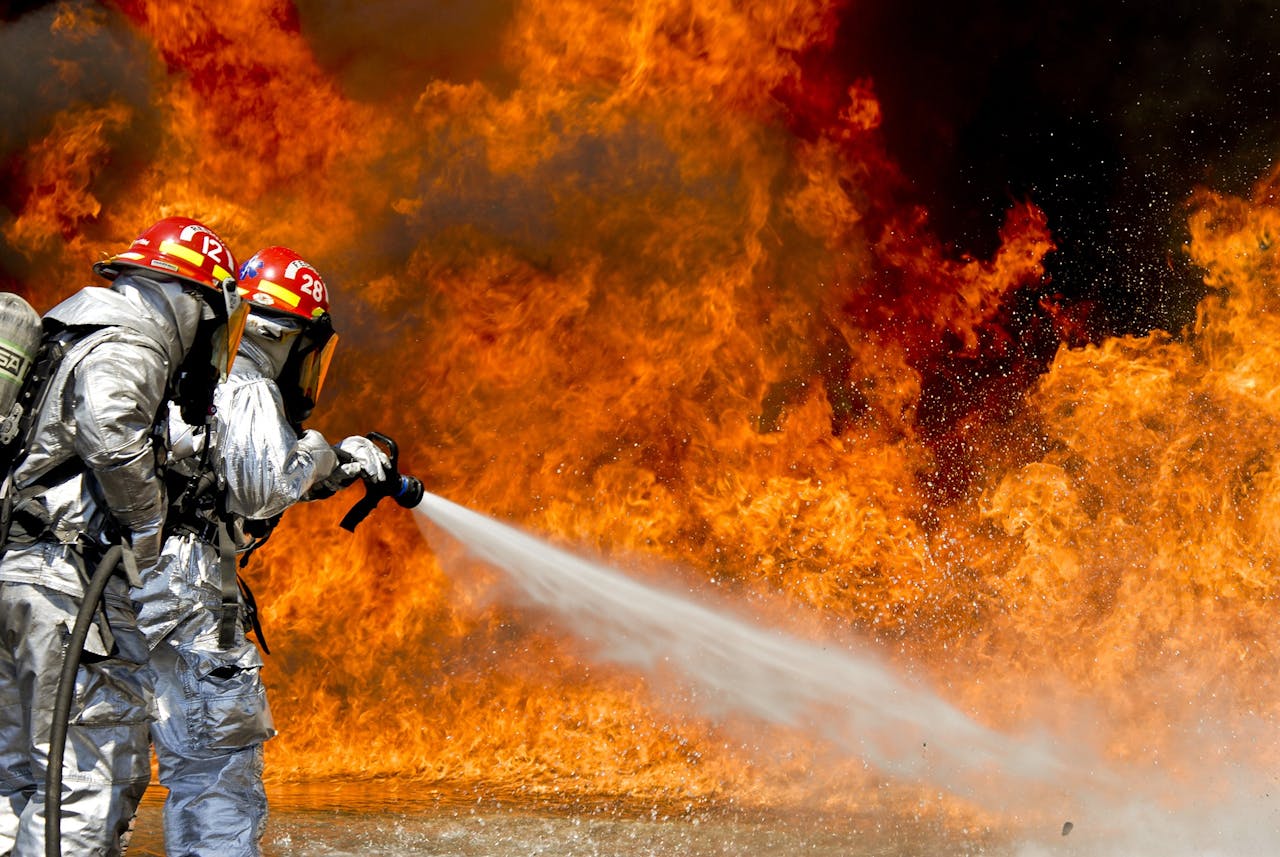
Wildfires are among nature’s most sudden and devastating threats. They can appear without warning—one moment the forest is calm, and the next, smoke curls skyward and the air thickens with heat. Within minutes, what began as a spark can roar into a fast-moving blaze that endangers people, wildlife, and entire ecosystems.
If you ever see a fire starting in the forest, near a tree line, in a wooded area, or close to natural grasslands, your first actions will matter more than you might imagine. In that moment, you hold a thread in the web of life—what you do with it could save not just human lives, but habitats, animals, and the stability of the surrounding environment.
This guide is written with urgency and care, because responding to fire is about Adaptive Resiliency, from the standpoint of both self and collective preservation. It’s about knowing how to act quickly, wisely, and compassionately for the greater good.
1. Safety First—Yours and Everyone Else’s
The first truth about wildfire response is this: you cannot help anyone if you become a victim yourself.
Even a small fire can produce heat, smoke, and toxic gases that can overwhelm you in seconds. Wind can push flames toward you much faster than you expect, and fires often behave unpredictably—changing direction, leaping through treetops, or igniting dry grass far ahead of the flame front.
When you spot a fire:
- Stop, breathe, assess. Don’t rush forward without understanding the risks.
- Stay upwind and, if possible, downhill from the fire—heat and flames move upward more rapidly.
- Identify the nearest clear escape route in case the fire spreads.
- Look for other people nearby—children, hikers, cyclists, or campers—who may not be aware of the danger.
If you’re with a group, calmly tell everyone to step back and avoid panic. Panic leads to poor decisions; calm urgency saves lives.
2. Call for Help—Immediately
No matter how small the fire appears, call 911 or your local emergency number without hesitation. This is not overreacting; in fact, early reporting is the most effective way to stop a wildfire before it becomes unmanageable.
When calling:
- Give exact location details—GPS coordinates if available, or clear descriptions using landmarks or mile markers.
- Describe the size and type of fire: a campfire-sized flame, a burning tree base, or fast-moving grass fire.
- Mention wind conditions—strong gusts or dry breezes can make fires spread dangerously fast.
- Note any structures, people, or wildlife in immediate danger.
Even if you believe someone else may have already reported it, make the call yourself. Duplicate reports help dispatchers confirm details and prioritize response.
3. If Trained and Equipped—Act Safely
There are rare situations when immediate action from a prepared person can extinguish a small fire before it spreads. This only applies if:
- The fire is smaller than a campfire.
- You have proper equipment—fire extinguisher, shovel, water source.
- You have fire safety training and know what you’re doing.
- There is zero risk of trapping yourself.
Safe suppression techniques for very small fires include:
- Dousing with water at the base of the flames.
- Smothering with dirt or sand using a shovel.
- Stamping out small grass fires only if wearing sturdy boots and protective clothing.
At the first sign of rapid spread—stop and retreat. Firefighting without proper gear is extremely dangerous.
4. Understand Fire Behavior
To respond wisely, it helps to understand how fire behaves:
- Uphill spread: Fire travels faster uphill—sometimes twice as fast for every 10° of slope.
- Wind-driven spread: Wind can push flames and embers far ahead of the main fire, igniting spot fires.
- Fuel types: Dry grass burns quickly, shrubs sustain heat, and trees can crown (burn in the canopy) and spread rapidly.
- Smoke patterns: Heavy, fast-rising smoke usually means intense heat; slow, drifting smoke often signals a smoldering area that could flare up.
Knowing these basics helps you judge when to step in, when to stay back, and how to guide others to safety.
5. Warn Others and Support Evacuation
If the fire is spreading and people are nearby:
- Shout clear, direct warnings—“Fire! Head downhill!”
- Use your vehicle horn to alert others in remote areas.
- Point people toward safety—ideally toward open, cleared spaces and away from wind direction.
Smoke can reduce visibility to almost nothing. If driving, keep headlights on, drive slowly, and be ready to turn around if roads become blocked.
6. Prepare in Advance—Your Go Bag and Plan
In wildfire-prone areas, readiness is an act of love for yourself, your family, and your community.
A “go bag” should be ready during high-risk seasons, containing:
- Water and non-perishable snacks
- First aid kit
- N95 masks (for smoke)
- Flashlight and batteries
- Phone charger and backup power bank
- Copies of important documents in a waterproof pouch
- Basic map of your area (don’t rely only on phone GPS)
Also:
- Know at least two evacuation routes from your home or campsite.
- Store tools like a shovel and fire extinguisher in your vehicle.
- Keep flammable items (wood piles, fuel cans) far from structures.
7. Prevention is the Greatest Response
The best way to fight wildfires is to prevent them:
- Respect all fire bans and seasonal restrictions.
- Fully extinguish campfires—douse, stir, and douse again until cool to touch.
- Avoid sparks from equipment, vehicles, or discarded cigarettes in dry conditions.
- Clear dry vegetation around your property.
- Join or support community fire watch programs.
8. The Climate and Ecological Context
Wildfires are not just seasonal events anymore—they’re intensifying worldwide due to hotter, drier conditions fueled by climate change. Each large fire releases massive amounts of carbon, destroys biodiversity, and displaces wildlife already stressed by shrinking habitats.
When we respond quickly to small fires, we’re not only protecting people—we’re helping slow the cycle of destruction that worsens the Climate and Ecological Emergency.
9. The Emotional and Moral Dimension
Responding to wildfire is more than a survival skill—it’s an ethical choice.
When you act—whether by calling for help, warning others, or taking safe suppression measures—you stand for the idea that all life is worth protecting.
A fictional park ranger I once wrote about put it this way:
“Every spark is a question: will you let it grow into a monster, or will you give the land a fighting chance?”
That’s the heart of Adaptive Resiliency, from the standpoint of both self and collective preservation—clear-headed action that balances safety, compassion, and responsibility.
Closing Reflection
If you ever see smoke on the horizon or flames licking at the edge of a forest, remember: you are not powerless. You are part of a vast, living network that includes people, animals, plants, and the air we breathe. Your decision in those early moments can ripple outward, shaping the outcome for an entire community—human and wild alike.
Act with urgency, act with care, and act with the understanding that protecting nature is protecting ourselves.
Because when every second matters, the right choice is never just about you—it’s about all of us.
 empowerment & inner transformation...
Leave a comment