Marching, Drumming, and Standing for a Future rooted in Community, Collaboration & Adaptive Resiliency
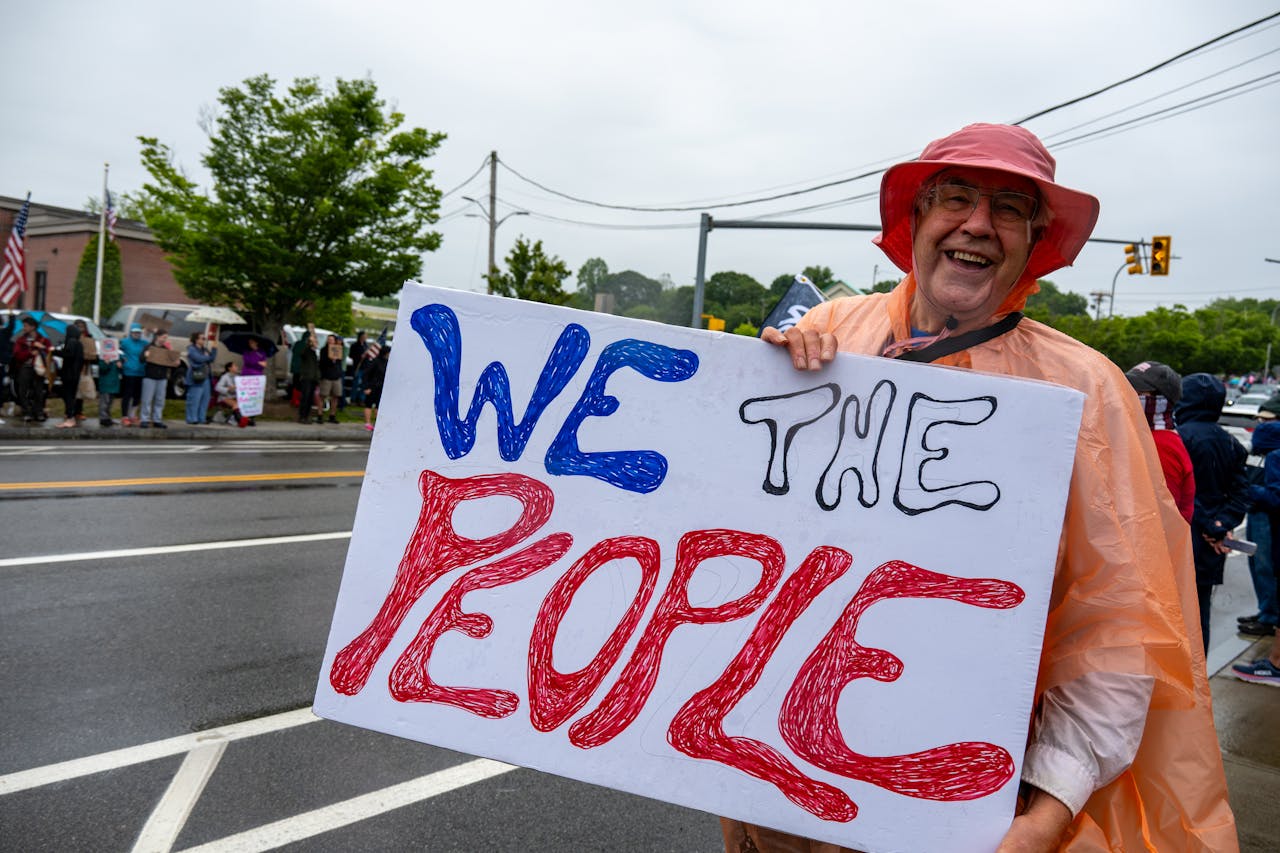
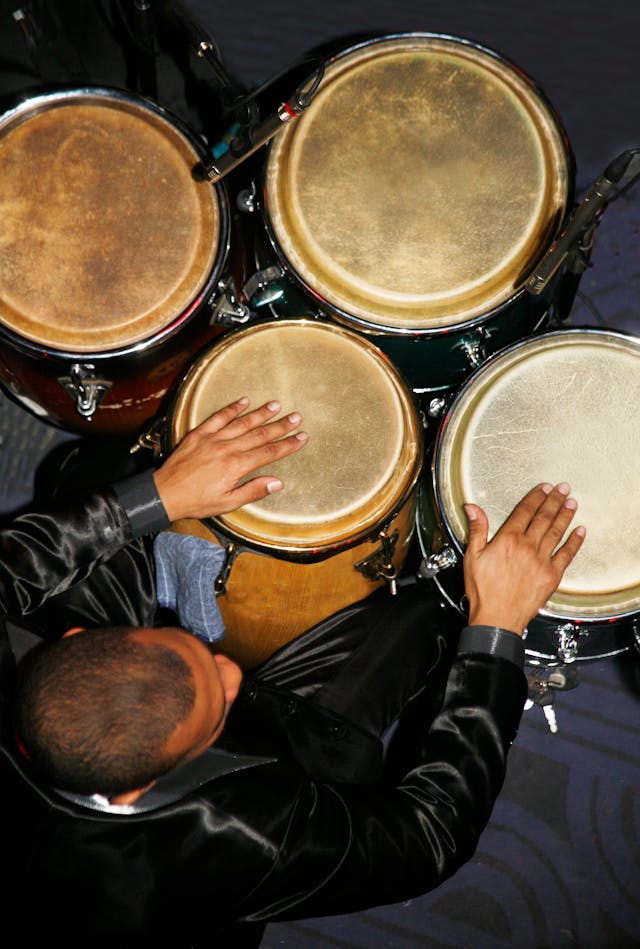
When I arrived in downtown Newark, New Jersey for the No Kings – We Love America March yesterday, I felt a surge of something both timeless and urgent: the collective breath of people yearning for change, grounded in hope and refusal. I carried my conga drum—not as a spectacle, but as a simple offering of rhythm, of uplift, of making space for joy amid serious times. The beat we shared became a bridge between strangers, a gentle pulse of connection in a moment of shared purpose.
My heart swelled when I saw the bright faces around me—people smiling, encouraging each other, chanting together, waving signs of conviction and care. I made new friends: young adults who spoke candidly of their frustration with the state of education, their dissatisfaction with governmental neglect of opportunities that should have been theirs. I heard stories of hope, and stories of feeling forgotten.
And yet the tone of the march was overwhelmingly peaceful. Hopeful. Grounded. Uplifting. There was no anger seeking destruction. Instead there was a collective shout of affirmation: we love America, we believe in its promise, and we will not let greed, arrogance or cruelty define our future.
Here’s how I experienced the day—and how I hope you might feel its echo and find your way into action.
A New Rhythm of Democracy
I brought my conga drum to the march because I believe in the power of rhythm — not just as music, but as connection. When I drummed, people paused. A few asked questions. Some smiled. Many joined in with claps or shouts or simply nodded in solidarity. In a gathering of thousands, that small drum beat felt like a tangible expression of one person saying: I’m here. I care. And others responding: We’re here. We care together.
In a movement built on Adaptive Resiliency, that kind of shared rhythm matters. Adaptation is not simply about surviving; it’s about responding, collaborating, finding new beats to old challenges. Resiliency is not just enduring; it’s flourishing in community. The drum was my symbol of participation: I might be recuperating from health issues, but I could still contribute. The action may look different for each of us, but the purpose is the same.
Learning from Conversations
While marching, I paused to listen. A group of young adults turned to me and spoke with passion about how their educational outlets felt under threat—budget cuts, canceled programs, shifting priorities. They expressed frustration, not just at policy, but at being overlooked. One of them said, “We’re trying to learn, to grow, but the ground beneath us keeps shifting.” I nodded, thinking about how Climate and Ecological justice movements alike have felt the same ground shifting—and how our choices today matter for tomorrow.
I told them about our community at Climate Change Community LLC, how our “Climate Tribe” is rooted in collaboration and shared responsibility, and how Adaptive Resiliency means transforming systems together. They looked interested. I felt hopeful. I realized that marches like this aren’t just about making noise—they’re about making connections, listening to voices that too often go unheard, and amplifying their hopes.
Peaceful, Powerful, United
The theme of the day was: we rise together, peacefully, yet firmly. According to the organizers of the No Kings movement, over 7 million people worldwide participated in more than 2,700 events to say: this is our country, this is our democracy, and there will be no kings. No Kings+2TIME+2
In Newark, the event followed that global energy: thousands of us in one place, in solidarity, not division. We wore yellow (a symbol of hope and unity), we chanted messages of democracy and inclusion, and we lifted each other up. It was galvanizing—and it reminded me why we, as communities, cannot wait. The threats to democracy, educational equity, environmental justice—all are real. But so is our potential when we act together.
Why This Matters for Our Climate & Ecological Future
You might ask: what does a protest about democratic power have to do with Climate and Ecological justice? The answer: everything. Systemic threats to our environment, our communities, and our education systems are interconnected. When power is concentrated, when voices are silenced, when future generations feel unheard—these are precisely the conditions that undermine resilient response to ecological crises.
Our community at Climate Change Community LLC embraces that insight. We believe that building Adaptive Resiliency in the face of environmental change requires more than technology—it requires trust, cooperation, democratic engagement. It requires that people feel empowered to take part. Supporting democracy supports the conditions for ecological resilience. Marches like this one are not sideline acts—they are part of the same tapestry of turning despair into action.
My Promise and Invitation
I’ll confess: I’m still on the mend from health issues. But yesterday’s march reminded me: healing is not isolation. The body recovers, the spirit engages. In the spring, I plan to be more active—supporting the movement to the best of my ability. I’ll bring my drum again, maybe something else, but mostly: my presence. I invite you to join me. Your contribution might look different — your song, your voice, your pen, your presence at a local meeting — but it matters.
If you felt the stir in your heart reading this, I encourage you to sign up with Indivisible at indivisible.org
Tito
 empowerment & inner transformation...
Leave a comment