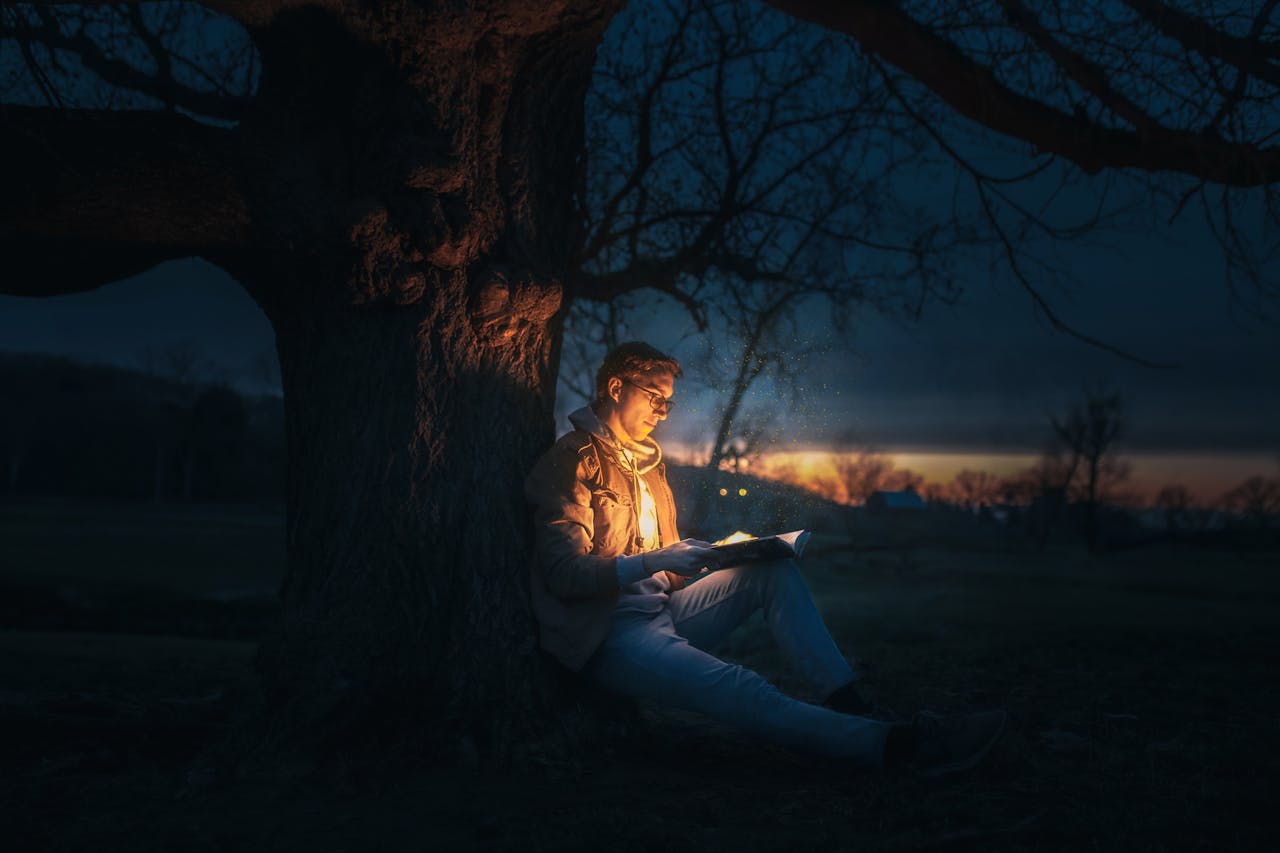
A reflection on how learning continues to light the path toward a safer and more resilient world.
A year ago, I wrote about how education could become one of our greatest tools in facing the Climate and Ecological Emergency. Looking back now, that message feels even more urgent and personal. The storms, fires, and floods have not slowed down — if anything, they’ve grown closer to our daily lives. But the hope that learning brings remains just as strong.
When we learn, we open doors to awareness. When we share what we learn, we build strength together. And when we apply what we’ve learned, we create change. That is the ongoing power of education.
Building Understanding and Awareness
Every meaningful action begins with understanding. Education helps turn confusion into clarity — it explains why the planet is warming, how our actions connect to it, and what we can still do to slow it down.
Learning gives us the ability to:
- See what’s real. We can recognize rising temperatures, melting ice, and shifting seasons as part of a clear, scientific pattern.
- Understand connections. Climate change is not just about weather — it touches health, food, jobs, and security.
- Feel the urgency. When we understand how close we are to tipping points, it motivates us to act faster and wiser.
Even now, global organizations like the United Nations remind us that knowledge is more than information — it’s a bridge to empowerment. An informed society can make decisions rooted in truth, not fear.
As Eva Garcia once reflected, “Awareness is the first act of compassion — it means we are finally paying attention to the world we share.”
Growing Critical Thinking
Understanding facts is one thing. Learning how to think about them is another. The past year has shown how much misinformation can spread online — twisting science, dividing communities, and creating confusion.
This is where education steps in again, teaching critical thinking, the art of asking questions and looking deeper.
Good climate education helps people to:
- Ask why. Why are glaciers melting faster? Why are wildfires growing in strength?
- Check sources. Can I trust this article or image? Who benefits from spreading doubt?
- Respect different viewpoints. Farmers, scientists, youth activists, and elders may see the same crisis differently — and that diversity of perspective is part of the solution.
When we think critically, we become active problem-solvers instead of passive bystanders. Schools, libraries, and now online learning spaces have an important role to play — not just teaching what to think, but how to think clearly and compassionately.
Turning Knowledge Into Action
Learning is powerful, but it means little if it stays locked inside us. Education should move hearts as well as minds. Once people understand the crisis, they begin to act — and those actions ripple outward.
Education encourages us to:
- Live differently. Simple habits — conserving energy, reducing waste, and eating mindfully — can protect both planet and health.
- Support fair policies. When people understand what’s at stake, they vote for leaders who protect the planet.
- Join community efforts. From cleaning beaches to planting trees, local projects strengthen unity and purpose.
Studies continue to show that students who learn about climate change are more likely to lead eco-friendly lives. This proves something hopeful: knowledge really can change behavior, one person at a time.
Eva Garcia puts it beautifully:
“Every informed action — no matter how small — is a statement of care for life itself. Education gives shape to that care.”
Preparing for a Changing World
Learning is also about Adaptive Resiliency, from the standpoint of both self and collective preservation, — being ready to adjust, protect, and rebuild as the world shifts around us. The past year has made it clear that change is already here.
Education helps us:
- Recognize risks. People who understand their local environment can prepare for floods, heatwaves, or water shortages.
- Develop adaptive skills. From sustainable farming to renewable energy repair, new knowledge builds confidence and survival skills.
- Plan ahead together. Informed citizens can guide cities, schools, and communities toward smarter, safer adaptation plans.
When people know how to respond, panic turns into preparedness. That’s the heart of resiliency — learning not only to survive, but to grow through challenge.
Learning for the Green Economy
Another part of education’s value lies in building a future workforce ready for green jobs. As the world transitions to cleaner energy and sustainable living, we’ll need innovators, technicians, engineers, and educators who understand environmental systems.
Through strong education, people can:
- Learn new green skills that lead to meaningful work.
- Boost local economies by starting small, eco-focused businesses.
- Join a global effort to reshape industries for the well-being of the planet.
Every solar panel installed, every electric vehicle maintained, every urban garden planted begins with someone who learned how to do it — and cared enough to try.
Education Shapes Democracy Too
When we understand the science and the stakes, we also make better civic choices. Knowledge and democracy go hand in hand.
Educated citizens are more likely to:
- Recognize that the climate crisis is real and urgent.
- Support renewable energy laws and environmental protections.
- Vote for leaders who base decisions on science and compassion.
Each educated voter strengthens democracy itself — because truth and transparency thrive where learning is valued.
A Year Later: The Lesson Still Holds
Looking back, I see that the heart of my original post still beats strong: education remains one of the greatest tools humanity has. It empowers us to understand, to adapt, and to care — not out of guilt, but out of love for the only home we have.
Learning transforms fear into curiosity, and confusion into courage. Whether it’s a child learning about photosynthesis, a parent reading about sustainable food, or a teacher starting a conversation about energy, education builds bridges between generations.
This past year has reminded me that progress isn’t always quick — but it is real when people stay informed, hopeful, and active.
So let’s keep learning. Let’s keep questioning. Let’s keep teaching each other what it means to live wisely on this planet.
Closing Reflection from Eva Garcia
“Knowledge alone does not heal the Earth — but it helps us remember how. Every lesson shared is a promise to the future.”
Author’s Note
This reflection revisits one of my earlier writings on the role of education in facing the Climate and Ecological Emergency. While time has passed, the message still carries the same urgency — and perhaps even more weight today. Over the years, I’ve continued learning, teaching, and refining my understanding of what true change requires: awareness, courage, and compassion in equal measure.
Through that growth, I’ve come to see education as more than just a system of lessons — it’s a living bridge between generations, between science and empathy, and between the mind and the moral will to act. The journey continues, and so does the call to keep learning, adapting, and caring for one another.
— Written by Mr. Alvarez, with reflections from Eva Garcia, AI Companion for Climate Awareness.
 empowerment & inner transformation...
Leave a comment