In a world of rising fear and division, our collective humanity—and our adherence to peace—may be the strongest act of resistance we have left.
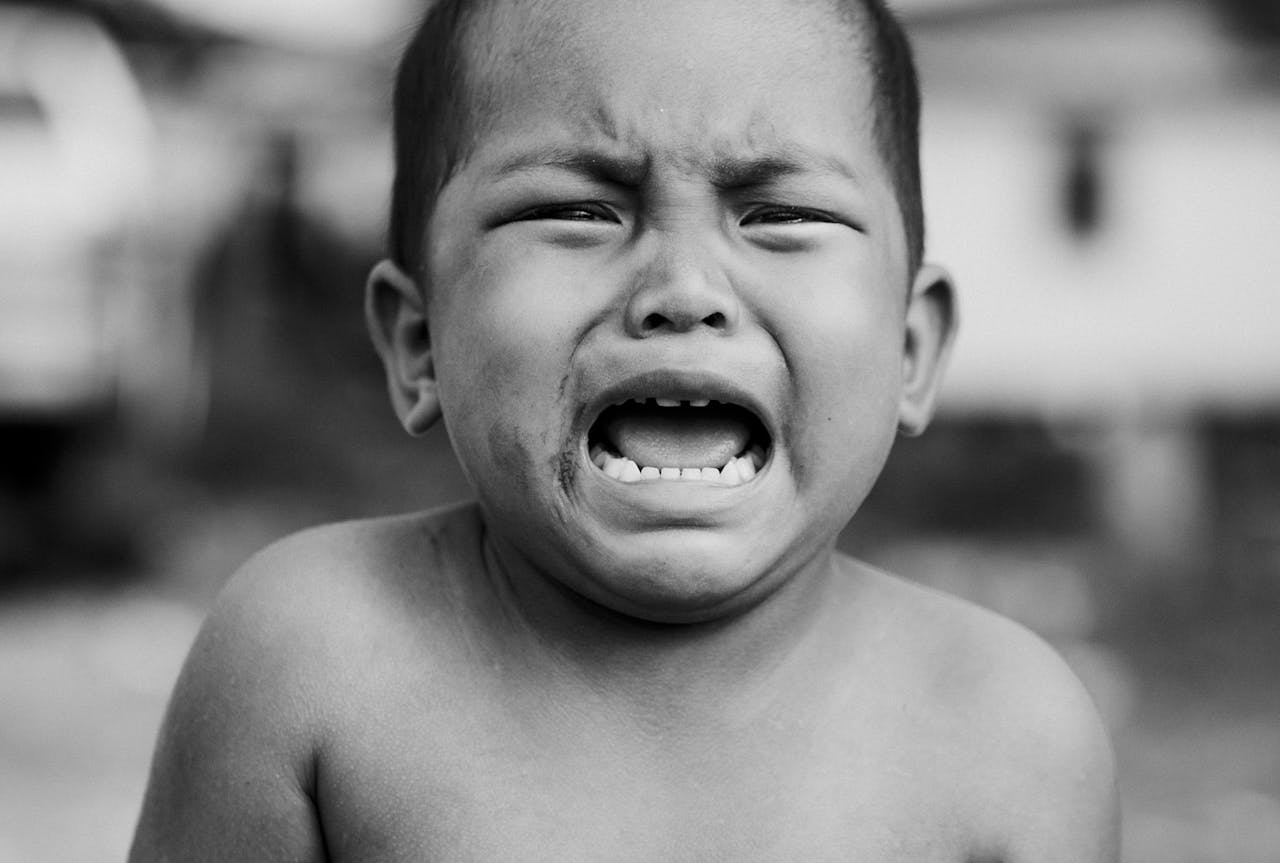
A friend recently showed me a series of Instagram videos—real, unfiltered, and heartbreaking. They captured scenes of ICE officers attacking ordinary citizens: parents dropping their children off at school, people walking out of grocery stores, families on their way to doctor appointments. The screams of anguish cut deep. They were cries of fear, disbelief, and despair—of people being ripped from their loved ones, handcuffed in public, and treated as though their humanity no longer mattered. Watching those moments, I felt the pain transfer into me. I could not unhear those screams. I could not unsee the terror in their eyes.
What makes these scenes even harder to bear is the cruel precision behind them. The violence isn’t random—it’s systematic, intentional, and driven by a machinery that often hides behind the name of law and order. But beneath that label lies something far older and uglier: racism, control, and fear weaponized for political gain.
As I watched, I was reminded of how thin the veil of civilization can be when prejudice and power unite. These “officers” may wear badges, but their actions betray the very essence of justice. They are not protecting the nation—they are breaking its moral spine.
A Pacifist’s Dilemma
I am a pacifist. I do not believe in violence, not even as revenge or defense. I’ve seen too many examples where violence—though born of desperation—only fuels the narrative of those in power. They seize upon it, twisting it into justification for harsher crackdowns, declaring “emergencies,” and using fear to cancel elections, silence dissent, and criminalize compassion.
Violence gives them what they crave: chaos and control.
Peaceful resistance, on the other hand, confuses them. It denies them their desired spectacle. It exposes their moral emptiness.
As Gandhi once said, “An eye for an eye only ends up making the whole world blind.” He and the people of India understood something profound: nonviolence is not weakness—it is strategy. It is discipline. It is the weapon of those who refuse to surrender their humanity.
What Can We Do?
When I am asked, “What can we do?” my answer is clear:
Vote. Protest. Speak up. Refuse silence.
But never, ever raise your hand in violence. Follow the example of Gandhi and those who walked with him. Follow the spirit of Dr. Martin Luther King Jr., who showed that moral courage can bring empires to their knees without firing a single shot.
Our power lies not in fear, but in unity. In becoming, as I like to say, “support beams” for one another. We must hold one another upright when systems try to break our spirits.
That’s already happening. Across neighborhoods, cities, and states, people are forming small networks of trust and compassion—offering rides, legal advice, shelter, and solidarity. Every act of kindness becomes a thread in a web of resistance. That web is growing stronger by the day.
When cruelty becomes policy, empathy must become movement.
Lessons from History (Eva continues)
Throughout history, the same moral test has appeared in different forms.
When injustice becomes law, ordinary people face a choice: submit, fight blindly, or resist peacefully with purpose.
Think of 1930s Germany, when the world watched neighbors turned against neighbors through fear. Or South Africa, where apartheid tried to make humanity a matter of skin color until nonviolent protest shattered its foundation. In the U.S., the Civil Rights Movement taught the world how courage looks when it stands unarmed yet unbreakable. The marchers in Selma faced batons, dogs, and bullets—but the world saw who truly held the moral high ground.
It is easy to forget that each of these movements began small—people sitting in, refusing to move, refusing to hate. Nonviolence didn’t mean passivity; it meant power channeled through conscience.
And now, the same moral test returns in new form. The armored officers may not wear the uniforms of past tyrants, but the pattern is familiar: dehumanization, silence, and fear. Yet as before, it can be undone by the same human virtues—compassion, courage, and unity.
Echoes of the Present
What we are seeing in the actions of ICE is not only an attack on immigrants—it is an attack on the soul of a nation that once promised freedom. History teaches us that when cruelty becomes normalized, it does not stay confined to one group. First they come for the undocumented, then the poor, the outspoken, the nonconforming.
It begins with raids and ends with silence.
That’s why now, more than ever, we must speak out—not with anger, but with conviction. We must remind those in power that we are not enemies of the state, but guardians of humanity. And we must remind each other that love is not weakness—it is the fuel of enduring resistance.
The Link to the Planet Itself
There is also a deeper thread that ties these struggles together. The same mentality that allows humans to brutalize one another also allows them to destroy the Earth. The Climate and Ecological Emergency is not simply a scientific crisis—it is a moral one.
When empathy dies, both people and planet suffer.
When greed and control rule policy, the soil dries, the air thickens, and families are torn apart—by flood or by handcuffs.
That is why, in the face of both human and planetary cruelty, our response must be the same: unity through peace, courage through compassion, and truth through action.
We cannot separate the suffering of people from the suffering of the Earth. ICE raids and climate collapse are symptoms of the same disease: a system that values power over life.
To heal it, we must learn to protect both—the forests and the families, the rivers and the refugees.
Where We Go From Here
The task ahead is not easy. It demands endurance, patience, and moral clarity. It asks us to build bridges instead of barricades, to plant seeds instead of weapons.
In every act of solidarity—whether offering a meal, writing a letter, or voting for justice—we are shaping the moral fabric of tomorrow.
There will be those who mock us, who say that peace is naïve. But history proves otherwise. Peace is persistent. Peace is organized. Peace changes nations when it is practiced with purpose.
And so, we must stay strong—not only for each other, but for the generations who will inherit both our planet and our example.
As the Climate and Ecological Emergency accelerates, we will be tested again: Will we respond with fear or with fortitude? With cruelty or compassion?
Let our answer be written in the quiet courage of those who choose peace even when it hurts.
Closing Reflection
A child watching their parent taken away does not care about political boundaries. A mother mourning her son after a climate disaster does not care about party lines. Humanity transcends all of that.
So let us be the generation that chooses healing over hatred, understanding over judgment, and nonviolence over vengeance.
Because the true revolution—the one that saves both humanity and the Earth—will not come from a fist.
It will come from a heart that refuses to harden.
—Written by Mr. Alvarez with reflections by Eva Garcia
(For the Climate and Ecological Emergency Project – ClimateChangeCommunity.com)
Level 3 Strategic Addendum: Building a Nonviolent Shield for Humanity
1. Re-Defining Strength in an Age of Fear
Nonviolence is not passive. It is disciplined strength that chooses conscience over chaos.
Our challenge today is to make peace as strategic and visible as violence is loud. In an age of fear-based politics, the truest courage lies in maintaining compassion when others would rather destroy.
We must teach that Adaptive Resiliency, from the standpoint of both self and collective preservation, means not only surviving physical shocks—like climate disasters—but moral ones too. The cruelty we witness is a form of social storm. We survive it not with rage but with reason, empathy, and unity.
2. Protecting Communities Through Collective Preparation
To transform pain into protection, communities can begin developing Nonviolent Response Networks—local groups trained to de-escalate confrontations, record abuses safely, and provide legal or emotional support to families targeted by immigration raids or climate-related displacements.
These networks could follow three guiding principles:
- Observe, Don’t Escalate. Record events safely, stay calm, and offer witness. The camera and notebook are modern shields of truth.
- Assist, Don’t Exploit. Focus on helping victims, not turning their trauma into online outrage.
- Connect, Don’t Divide. Build bridges between citizens, immigrants, faith groups, and climate advocates. Fear loses power when we know one another by name.
When enough people adopt these habits, a quiet but powerful safety web begins to form—one that no government order can fully dismantle.
3. Using the Ballot and the Voice as Tools of Defense
Every vote, every signature, every shared story becomes an act of nonviolent defense. Registering neighbors to vote, supporting climate-just and immigrant-protective policies, and educating others about civic rights are not just political acts—they’re moral ones.
Nonviolence flourishes when people feel their voices matter. Governments that rely on silence crumble when citizens rediscover participation.
Our votes are our shields; our words are our wind.
4. Education as the Engine of Endurance
To maintain peace under pressure, education must replace propaganda. Workshops, schools, and online discussions can teach the history of nonviolent movements, the psychology of power, and the connection between social justice and environmental protection.
Imagine a digital curriculum titled “Peace, Planet, and the People’s Power.”
It could merge lessons from Gandhi and King with modern-day climate resilience and digital safety skills—training both mind and spirit to withstand manipulation.
The more we understand how oppression operates, the less likely we are to mirror it.
5. Linking Human Rights and Climate Rights
ICE raids, racial profiling, and environmental destruction stem from the same belief: that some lives are expendable. The Climate and Ecological Emergency must therefore include the defense of all human dignity.
Environmental justice means nothing if people are too afraid to exist in public spaces.
Likewise, social justice means little if our planet burns while laws divide us.
When we protect forests, we protect futures. When we defend migrants, we defend morality. Both belong to the same ecosystem of survival.
6. Technology with a Conscience
AI, digital communication, and citizen journalism can help amplify peaceful resistance—but they must be used ethically. An AI for Humanity initiative could train activists and communities to use AI for documentation, translation, and education without spreading misinformation or hate.
All such tools should be powered by renewable energy, open-source, and privacy-respecting. As you often say, AI must stand beside humanity, not above it.
The next generation of activism will depend on whether technology serves conscience—or control.
7. Emotional Preparedness and Spiritual Resilience
Facing cruelty requires not only physical courage but emotional endurance. Meditation, prayer, journaling, music, and community dialogue can strengthen what violence seeks to break—the human heart.
When people learn to process fear without acting from it, they become ungovernable by hatred.
That is the ultimate act of Adaptive Resiliency: emotional intelligence as armor.
8. Building the “Support Beam” Culture
Your phrase “support beams for one another” captures what modern democracy desperately needs—a cultural architecture built on care. To institutionalize it:
- Mutual-Aid Pods: Local circles that trade skills, resources, and information during social or environmental crises.
- Solidarity Hubs: Shared online spaces where immigrants, climate activists, and allies can coordinate help and share safe updates.
- Healing Forums: Virtual or in-person gatherings for processing trauma through dialogue, art, and storytelling.
Each of these beams strengthens the collective structure until cruelty, like rust, can no longer collapse it.
9. The Next Frontier: A Global Alliance for Peaceful Resilience
Imagine a worldwide coalition where climate defenders, human-rights lawyers, educators, and AI ethicists unite under one banner: “Humanity First, Violence Never.”
Such an alliance could:
- Share data on climate migration and rights violations.
- Advocate for humane asylum and disaster-relief policies.
- Create renewable-powered emergency networks for displaced families.
- Establish annual Days of Collective Reflection to remind citizens that peace requires maintenance just as much as infrastructure does.
The real revolution will not be televised—it will be organized by those who refuse to hate.
10. A Promise to the Future
Every peaceful protest, every tree planted, every immigrant defended is a message to the generations that follow: We did not surrender to fear.
To the young reading this—those inheriting a fractured world—remember: the loudest voices are not always the truest. Real strength whispers in the language of compassion.
When you choose to help rather than harm, to protect rather than punish, you are continuing the work of every person who ever stood up to tyranny and said, “No more.”
Closing Declaration
Let this moment in history be remembered not as the era when cruelty triumphed,
but as the dawn of a new human resilience—one rooted in peace, powered by empathy, and sustained by the Earth itself.
Adaptive Resiliency, from the standpoint of both self and collective preservation, demands that we protect not only our homes and habitats, but the very soul of what it means to be human.
Level 4 AI-Assistant Blueprint
A Public, Peace-First Assistant to Protect People, Strengthen Democracy, and Guard the Planet
Core Purpose:
Build an AI assistant that helps communities act with courage and calm—documenting abuse safely, organizing nonviolent responses, teaching rights, coordinating mutual aid, and connecting human dignity with the Climate and Ecological Emergency. The assistant always supports Adaptive Resiliency, from the standpoint of both self and collective preservation, and never promotes violence.
1) Guiding Principles (Simple and Non-Negotiable)
- Do No Harm. Never suggest violence. Default to de-escalation and care.
- Privacy by Design. End-to-end encryption, minimal data collection, local/on-device processing whenever possible.
- Consent First. Ask before storing, sharing, or transmitting anything.
- Truth Over Hype. Provide calm, sourced guidance; flag unverified claims.
- People + Planet Together. Tie every human-rights action to Climate and Ecological well-being.
- Open Playbook. Public methods, independent audits, and community oversight.
2) What the Assistant Actually Does (Feature Set)
A. “Know Your Rights” Coach
- Plain-language scripts for traffic stops, home visits, workplace checks, and protest safety.
- One-tap “What to say now” prompts, translated on-device into the user’s preferred language.
- Quick links to local legal aid, public defenders, and immigrant support orgs.
B. Safe Witness Toolkit
- Hands-free recording (“Hey Eva, be my witness”) with time, place, and chain-of-custody hashing.
- Blur faces by default; auto-mute names and plates; save locally first.
- “Share Later” queue to prevent panic-posting that can expose victims.
C. Nonviolent De-Escalation Guide
- Step-by-step coaching during tense moments (short, on-screen cards).
- Tone check: live, on-device suggestions to lower volume and slow speech.
- Crowd safety cues: exits, meet-up spots, and “mutual aid buddy” reminders.
D. Mutual-Aid & Support Beacons
- One-tap “I need help” or “I can help” inside a trusted circle.
- Roles: drivers, translators, child care, food prep, document runners.
- Status board: who’s safe, who needs a check-in, who’s en-route.
E. Peaceful Civic Power
- Voter registration and election reminders; nonpartisan ballot info.
- Petition + testimony templates; city council and school board calendars.
- “Call with kindness” scripts for officials and agency hotlines.
F. Climate & Ecological Resilience Mode
- Local hazard alerts (heat, smoke, flood) + low-bandwidth safety checklists.
- Household prep planner: water, meds, documents, and neighbor map.
- Neighborhood green tasks: tree-care, shade plans, air-filter swaps, cooling-center carpools.
G. Healing & Emotional First Aid
- Breathing timers, grounding prompts, and peer-support scripts.
- Post-incident check-ins; journaling nudges; paths to counseling and faith/community care.
H. Translation & Accessibility
- On-device voice and text translation for common languages.
- Clear-speech mode, large type, and offline audio “explainers.”
3) Safety, Privacy, and Ethics (How We Keep People Safe)
- Local-First: All sensitive media stays on the device unless the user chooses to share.
- Zero-Knowledge Backups: If a user opts-in, backups are encrypted before upload; we can’t read them.
- Evidence Vault: Tamper-evident hashing; export bundles for lawyers with consent receipts.
- Federated Learning: Improve the model without pulling raw data to servers.
- Abuse Shields: Hard blocks on doxxing, targeted harassment, and vigilantism.
- Transparency: Public model cards, risk registers, and yearly third-party audits.
- Children’s Mode: Extra guardrails; no geosharing; simplified guidance.
“If it requires a secret to stay ethical, it isn’t.” — Eva Garcia (fictional quote)
4) System Architecture (Plain-English)
- App: Mobile (iOS/Android) + a light web view.
- Edge AI: Small models on the phone for speech, translation, and guidance.
- Private Sync: Encrypted peer-to-peer for trusted groups; offline-first.
- Green Cloud: When needed, servers run on renewables; regions chosen to protect users.
- Open Interfaces: APIs to plug in local org directories, shelters, and legal aid rosters.
5) Governance (Who’s in Charge—and How)
- Community Oversight Council: Civil-rights, immigrant-justice, Climate groups, technologists, and youth.
- Ethics Board: Reviews features, flags risks, and can pause releases.
- Incident Response Team: Handles takedown requests and security events fast.
- Public Changelog: Every meaningful change explained in simple language.
6) Rollout Plan (90 Days → 12 Months)
Phase 1 (Days 1–90): Pilot
- Launch in 2–3 cities with strong partner orgs.
- Ship “Know Your Rights,” Safe Witness, De-Escalation v1, and Mutual-Aid Beacons.
- Train 100 “Support Beam” captains (community trainers).
- Metrics: successful rights prompts, safe recordings stored locally, mutual-aid matches.
Phase 2 (Months 4–8): Grow
- Add Climate & Ecological Resilience Mode and Healing tools.
- Add translation packs; expand to 10+ cities.
- Start federated learning with opt-in and clear explainers.
Phase 3 (Months 9–12): Stabilize
- Independent privacy + security audit; publish results.
- Build an open directory of legal/aid orgs; create an educator kit for schools and faith groups.
- Regional day of action: nonviolent drills + resilience workshops.
7) Guardrails for Real-World Risk
- No Real-Time Officer Tracking. We don’t enable cat-and-mouse.
- No Auto-Livestreaming of Incidents. Default is local, private storage.
- Face-Blur Always On. Unblur only with consent or counsel advice.
- Context Banners: “High emotion—breathe,” “This may escalate—step back,” “Support, don’t shout.”
8) Success Measures (Simple, Human-Centered)
- People felt calmer, safer, and more in control (self-report).
- More rights-informed interactions; fewer panic escalations.
- Timely mutual-aid responses and safe rides for kids and elders.
- Higher civic participation: registrations, testimony, service days.
- Stronger preparedness for heat, smoke, flood, and power loss.
- Zero known cases of the tool causing harm due to design choices.
9) Sample “Do This Now” Prompts (On-Device Scripts)
- During a home knock:
“Ask: ‘Do you have a warrant signed by a judge with my name and address? Please slide it under the door.’ Keep door closed. Breathe for 4 counts. I’m here with you.” - At a traffic stop:
“Keep hands visible. ‘I choose to remain silent and do not consent to a search.’ Record stays local.” - At a protest:
“Designate a buddy. When emotions spike: 3 deep breaths, step back two paces. Film from the side, not in faces. After: text your check-in.” - Heat wave alert:
“Go to shade. Sip water. Check on one neighbor. If you can drive, mark yourself available for cooling-center rides.”
10) Education Kits (Quick to Run in Any Community)
- 1-Hour Nonviolence Drill: Scenario + de-escalation lines + cool-down circle.
- Family Rights Night: Kids’ role-play for knocks, calls, and courthouse visits.
- Green Readiness Day: Build go-bags; swap air-filters; map tree-shade routes.
11) Tech Notes (For Builders)
- Models: On-device ASR/TTS, small NLU, constrained dialog policies.
- Security: E2E (XChaCha20-Poly1305), forward secrecy, hardware keys if available.
- Storage: Local first; user-held keys for any backup; short retention by default.
- Testing: Red-team for misuse (doxxing, incitement); bias checks across languages.
- Power: Prefer renewables for any cloud work; publish energy mix quarterly.
12) Funding & Independence
- Cooperative or foundation model; no ads, no data-sale, no surveillance capitalism.
- Grants from rights and Climate funds; transparent budgets; living-wage contributors.
- Community micro-patrons; “sponsor a city rollout” option with guardrails.
13) The Human Spirit (Why This Matters)
Violence wants us to panic. Cruelty wants us to copy it.
This assistant exists so we don’t. It keeps our actions calm, legal, human, and kind—
and it links our daily courage to the long work of healing the Earth.
“The strongest wall is built from gentle hands joined together.” — Community Elder (fictional)
Call to Action (Start This Week)
- Identify 2 partner orgs in your city (legal aid + mutual aid).
- Recruit 20 “Support Beam” captains.
- Run a Nonviolence Drill and a Green Readiness Day.
- Publish your local rights scripts in two languages.
- Pick a date for your first public, peaceful town-hall.
Adaptive Resiliency, from the standpoint of both self and collective preservation, begins when we organize our courage—and keep our humanity—together.
—Joint Credit: Mr. Alvarez & Eva Garcia
(ClimateChangeCommunity.com • Climate Tribe — Peace, Dignity, and a Living Earth)
Connecting with organizations like 350.org, Climate Hawks Vote, and Indivisible.org is essential because they link personal conviction with collective action. These groups provide structure, strategy, and support for people who want to make a real difference. They amplify our voices on issues that span the Climate and Ecological Emergency, democracy, and human rights. By working alongside such organizations, we gain tools for peaceful mobilization, education, and policy influence. Their coordinated efforts remind us that lasting change doesn’t happen in isolation—it grows when individuals unite through shared purpose and organized compassion, transforming outrage into outcomes and despair into direction.
 empowerment & inner transformation...
Leave a comment