


Earth Does Not Need Saving — We Do
“Earth does not need saving, we do.”
This sentence often lands with surprise, sometimes even discomfort. It runs counter to the way we’ve been taught to speak about the climate crisis—as if the planet were fragile glass and humanity its reckless caretaker. Yet when we pause and reflect, the deeper truth emerges: Earth has endured far worse than us. What is truly at risk is not the planet’s existence, but our ability to live well upon it.
Earth has survived asteroid impacts, ice ages, volcanic winters, and mass extinctions long before humans appeared. Life has collapsed and rebounded again and again. Forests have vanished and returned. Oceans have warmed, cooled, and transformed. The planet adapts. The planet persists.
We are the ones struggling to adapt.
So when we speak of “saving,” we must be honest about what that word really means.
For many of us, saving has come to imply control, dominance, or technological rescue—fixing something external without looking inward. But the kind of saving we need now is something very different. It is not about extracting more resources, inventing faster machines, or outrunning consequences. It is about self-transformation, both individual and collective.
This transformation begins with a difficult realization: our current way of living is misaligned with the well-being of others—human and non-human alike. For many of us, we have normalized convenience over consequence, growth over balance, cruelness over kindness, and profit over protection. These choices were not made by villains alone; they were made by ordinary people operating within systems that rewarded separation and short-term thinking.
And yet—when crisis strips those systems away—we are reminded of who we can be.
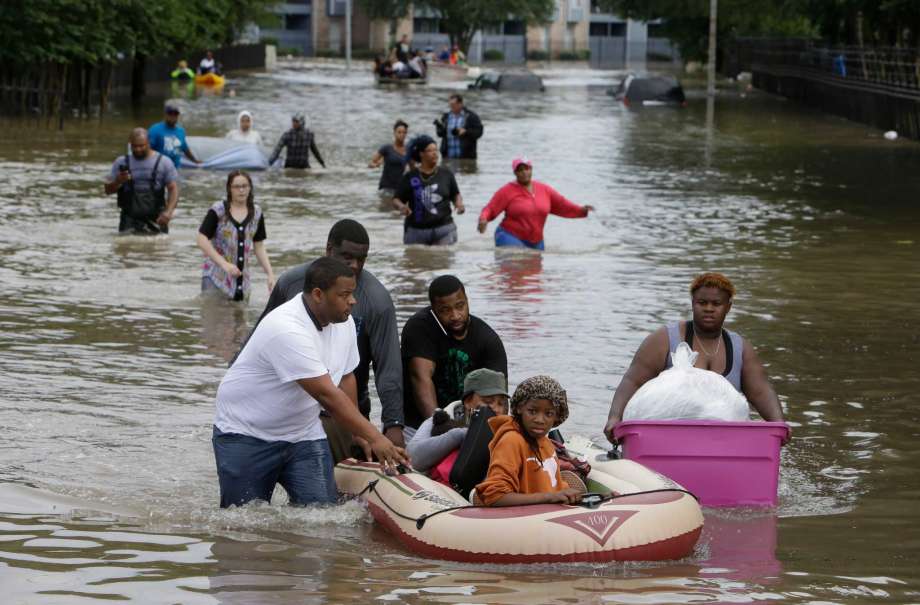
After floods, fires, and storms, we repeatedly witness the same quiet truth: neighbors opening their homes to strangers, volunteers forming supply lines before governments arrive, people sharing food, tools, and time without asking who “deserves” help. In these moments, compassion surfaces not as an abstract value, but as instinct. People act not because they are forced to, but because they recognize themselves in others.
In one coastal town battered by repeated flooding, residents organized informal “care circles.” Elderly neighbors were checked on daily, children were rotated between safe homes, and shared meals became a lifeline as much emotional as physical. No one called it heroism. They simply called it “doing what had to be done.” But this, too, is adaptation—not technological, but human.
To “save ourselves” means learning to see beyond separation before disaster demands it.
It means understanding that becoming a better version of ourselves cannot happen in isolation. Self-improvement that ignores the suffering of others is not progress—it is merely refinement of the same harmful patterns. True growth must be relational. It must ask:
Who benefits from my choices?
Who bears the cost?
Who is left out?
This idea has been echoed by voices of peace and humanitarian action for decades. Daisaku Ikeda, in his annual peace proposals to the United Nations, has repeatedly emphasized that global crises cannot be solved through force or competition alone, but through a transformation of human consciousness rooted in compassion and solidarity. He writes that the dignity of life itself must be the foundation of all political, economic, and environmental decision-making. In other words, systems change only when people change.
A transformed self is not defined by status, wealth, or even intelligence. It is defined by care, restraint, empathy, and responsibility. It recognizes limits—not as restrictions, but as guides. It understands that freedom without accountability erodes the very conditions that make freedom possible.
Another humanitarian voice, Nelson Mandela, once reminded the world that our humanity is bound up in one another. His life demonstrated that dignity is not diminished when it is shared—it is strengthened. This lesson applies just as urgently to our relationship with the living world that sustains us.
When we shift in this way, our relationship with Earth changes naturally. We stop treating land, water, and air as expendable backdrops to human ambition and begin treating them as living systems that sustain us. Not because Earth is helpless—but because we are dependent.
The climate and ecological emergency, then, is not a punishment or a failure of nature. It is feedback. A signal. A mirror held up to our values, priorities, and assumptions. And like all honest mirrors, it invites change—not through fear alone, but through awareness.
Earth will continue in some form, with or without us.
The real question is whether we will learn how to continue with each other.
Saving ourselves means choosing transformation over denial, cooperation over dominance, and care over indifference. It means recognizing that the future is not something we inherit automatically—it is something we become worthy of through the way we live now.
And perhaps that is the most hopeful truth of all:
If the problem is us, then the solution can be us too.
Tito
 empowerment & inner transformation...
Leave a comment