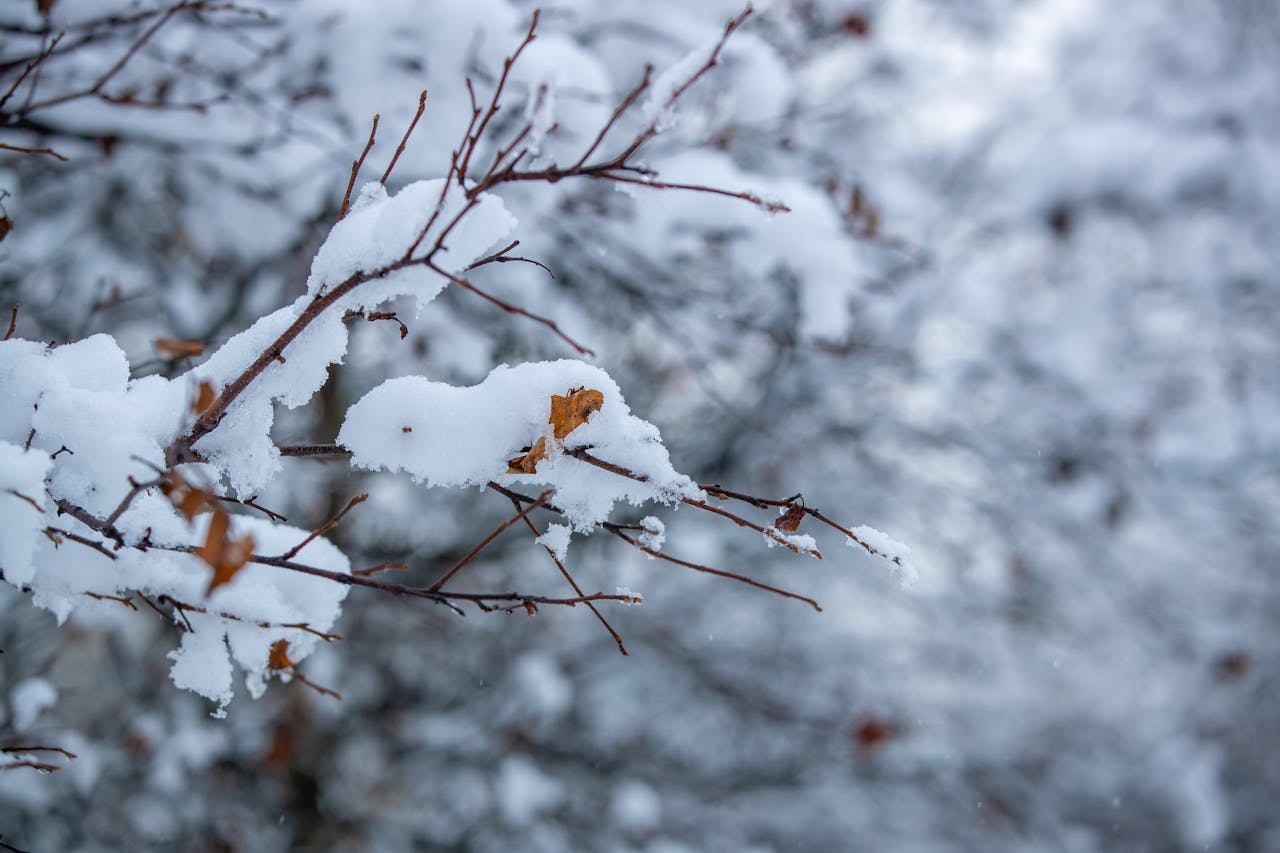
“Climate change does not mean the end of winter—it means the end of stability. A warming planet disrupts the systems that once kept weather predictable, allowing extreme cold to spill into places unprepared for it. Bitter freezes are not evidence against climate change; they are increasingly evidence of it. When warming oceans and a rapidly heating Arctic destabilize the jet stream, the result is not balance but chaos—scorching heat, violent storms, and yes, punishing cold. Confusing a cold day with a cool planet isn’t skepticism, it’s ignorance—and the cost of that ignorance is paid in lives, infrastructure failure, and a shrinking window to adapt.”
“It’s Freezing Outside…
Every time a brutal cold front hits, a familiar chorus rises up: “What climate change? It’s freezing!”
This reaction isn’t just wrong—it’s a textbook example of how deeply misunderstood climate change still is.
Let’s be crystal clear:
Climate change does not mean “it only gets hotter.”
It means the climate system becomes more unstable, extreme, and unpredictable—and that includes dangerous cold.
Weather Is Not Climate (And Never Has Been)
Weather is what you feel today.
Climate is how the system behaves over decades.
A single frigid week does not disprove climate change any more than a single hot day proves it. What matters is the long-term pattern—and that pattern is unmistakable:
- Rising global average temperatures
- Melting Arctic sea ice
- Disrupted jet streams
- Increasing frequency of extremes on both ends of the thermometer
Cold snaps don’t contradict climate change.
They are increasingly a symptom of it.
How a Warming Planet Produces Bitter Cold
Here’s the part that breaks people’s brains—but it’s well established science.
The Arctic is warming much faster than the rest of the planet. As it warms:
- The temperature difference between the Arctic and mid-latitudes weakens
- The polar jet stream becomes wavier and less stable
- Frigid Arctic air spills southward in deep plunges
Result?
Extreme cold outbreaks in places that didn’t used to experience them this way.
This is why scientists have warned for years that warming can lead to harsher winters in some regions, even as the planet heats overall.
“But It Used to Get Cold Before”
Yes. Winters have always existed.
What’s changed is:
- Intensity – sharper, more dangerous cold
- Timing – sudden drops instead of gradual shifts
- Persistence – systems getting “stuck” for longer periods
Climate change doesn’t erase natural variability—it amplifies and distorts it.
The Real Danger: Confident Ignorance at the Top
When public figures mock climate change during cold weather, it does real damage.
Not because they’re confused—but because millions take their words as permission to stop thinking.
This isn’t harmless banter. It delays preparedness, weakens resilience, and costs lives—especially among:
- Elderly populations
- Low-income communities
- People exposed to failing infrastructure
Cold kills. Heat kills. Instability kills.
The Bottom Line
If your understanding of climate change collapses the moment you feel cold air on your face, then the issue isn’t the weather—it’s education.
Climate change is about extremes.
Cold does not disprove it.
It increasingly confirms it.
And the longer we pretend otherwise, the more unprepared we become for what’s already here—and what’s coming next.
 empowerment & inner transformation...
Leave a comment