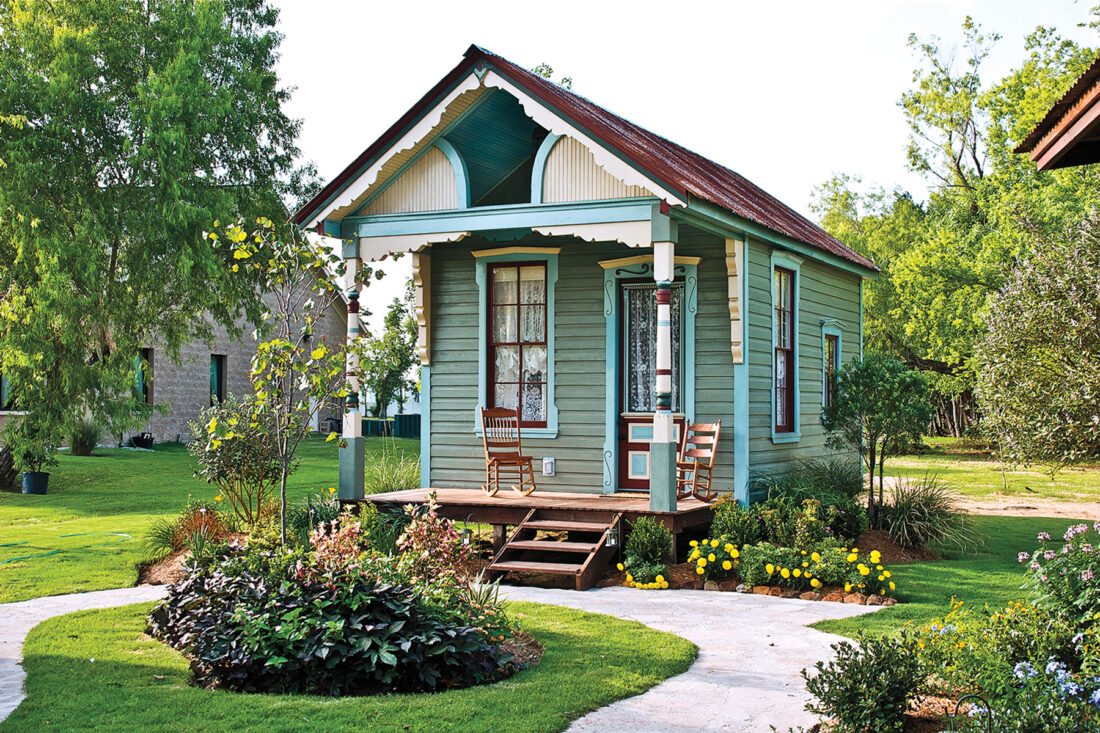
‘This post is based on the Mother Earth News Article: ‘Mortgage Free Living...’
Tiny Homes: A Big Solution for Climate Change?
As we grapple with the urgent climate crisis, innovative housing solutions like tiny homes are emerging as a potential way to reduce our environmental impact. These compact dwellings offer several advantages that could help address our shared climate emergency.
Reduced Carbon Footprint
One of the most significant benefits of tiny homes is their substantially lower carbon footprint compared to traditional housing:
Lower Energy Use: Tiny homes require up to 93% less energy for heating, cooling, and powering appliances. Their small size means less space to heat and cool, translating to major energy savings. Additionally, the reduced energy demand lessens the strain on power grids and lowers greenhouse gas emissions from energy production.
Fewer Building Materials: Construction of tiny homes uses far fewer resources, reducing emissions associated with material production and transportation. This minimalistic approach not only conserves natural resources but also decreases waste, as smaller structures generate less construction debris.
Decreased Consumption: Limited space naturally encourages residents to buy and own less, lowering their overall consumption and associated carbon emissions. This minimalist lifestyle promotes sustainability by prioritizing quality over quantity, reducing the demand for mass-produced goods that often have a high environmental cost.
Sustainable Design Features
Many tiny homes incorporate eco-friendly elements that further minimize their environmental impact:
Renewable Energy: Solar panels and other renewable energy systems are often easier to implement for tiny homes, allowing for off-grid living. This independence from traditional energy sources not only reduces carbon emissions but also increases resilience against power outages and fluctuating energy prices.
Efficient Appliances: The compact nature of tiny homes necessitates energy-efficient appliances and fixtures. Innovations such as LED lighting, low-flow water systems, and compact refrigeration units ensure that every aspect of the home is optimized for minimal energy use.
Alternative Building Materials: Some tiny homes utilize sustainable or recycled materials like hempcrete, straw bale, or reclaimed wood. These materials often have lower environmental footprints compared to conventional building materials, enhancing the overall sustainability of the home.
️ Land Use Benefits
Tiny home communities can offer advantages in terms of land use and urban planning:
Increased Density: Tiny home villages allow for higher population density without the need for large apartment buildings. This efficient use of space can alleviate housing shortages in urban areas while maintaining a sense of community among residents.
Preservation of Green Spaces: By taking up less land per dwelling, tiny home developments can help preserve more natural areas. This conservation of green spaces supports biodiversity, provides recreational areas for residents, and contributes to the overall health of the ecosystem.
Flexible Urban Planning: The mobile nature of some tiny homes allows for more adaptable use of urban spaces. These homes can be relocated as needed, providing flexibility in response to changing urban dynamics and allowing cities to better manage growth and development.
Community and Social Benefits
Beyond environmental advantages, tiny homes can foster stronger communities and improve social well-being:
Affordability: Tiny homes are generally more affordable to build and maintain, making homeownership accessible to a broader range of people. This affordability can reduce economic disparities and provide stable housing solutions for low-income individuals and families.
Enhanced Community Interaction: Smaller living spaces often encourage closer interactions among neighbors, fostering a sense of community and mutual support. Shared spaces and communal amenities can enhance social bonds and create a more cohesive living environment.
Mental Health Benefits: Living in a simplified, clutter-free environment can reduce stress and promote mental well-being. The emphasis on minimalism and intentional living aligns with practices that support mindfulness and personal growth.
⚠️ Challenges and Considerations
While tiny homes show promise, there are some challenges to consider:
Zoning and Regulations: Many areas have restrictive zoning laws that make it difficult to establish tiny home communities. Overcoming these legal barriers requires advocacy and collaboration with local governments to create more flexible and supportive housing policies.
Lifestyle Adjustment: Living in a tiny home requires significant downsizing, which isn’t suitable for everyone. Adapting to a smaller space involves reevaluating personal belongings and habits, which can be a substantial lifestyle change for many individuals.
Long-Term Sustainability: The durability and lifespan of tiny homes compared to traditional housing need further study. Ensuring that tiny homes are built to last and can withstand various environmental conditions is crucial for their long-term viability as a sustainable housing solution.
The Bigger Picture
Tiny homes alone won’t solve the climate crisis, but they represent an important shift in how we think about housing and consumption. By demonstrating that we can live comfortably with less, tiny homes challenge our assumptions about what we really need. As we face the urgent task of reducing global emissions, exploring alternative housing models like tiny homes is crucial.
Moreover, the tiny home movement intersects with broader societal trends towards sustainability, minimalism, and resilience. It encourages a reevaluation of our relationship with space, possessions, and the environment. While tiny homes may not be the answer for everyone, they offer a tangible way for individuals to significantly lower their carbon footprint while potentially improving their quality of life.
By combining the principles of tiny living with broader systemic changes in energy production, transportation, and industry, we can work towards a more sustainable future. The tiny home movement reminds us that sometimes, thinking small can lead to big impacts in our fight against climate change. Embracing this innovative approach could inspire further sustainable practices across various aspects of our lives, fostering a more harmonious relationship with our planet.
Join the Tiny Home Movement!
Let’s rethink our living spaces and make a positive impact on our planet. Share your thoughts and experiences with tiny living in the comments below! ✨
Images are placeholders. Replace them with relevant visuals to enhance engagement!
Mother Earth News is hands down one of the best sustainable-minded venues out there…
…pulled from climatetribe.com
 empowerment & inner transformation...