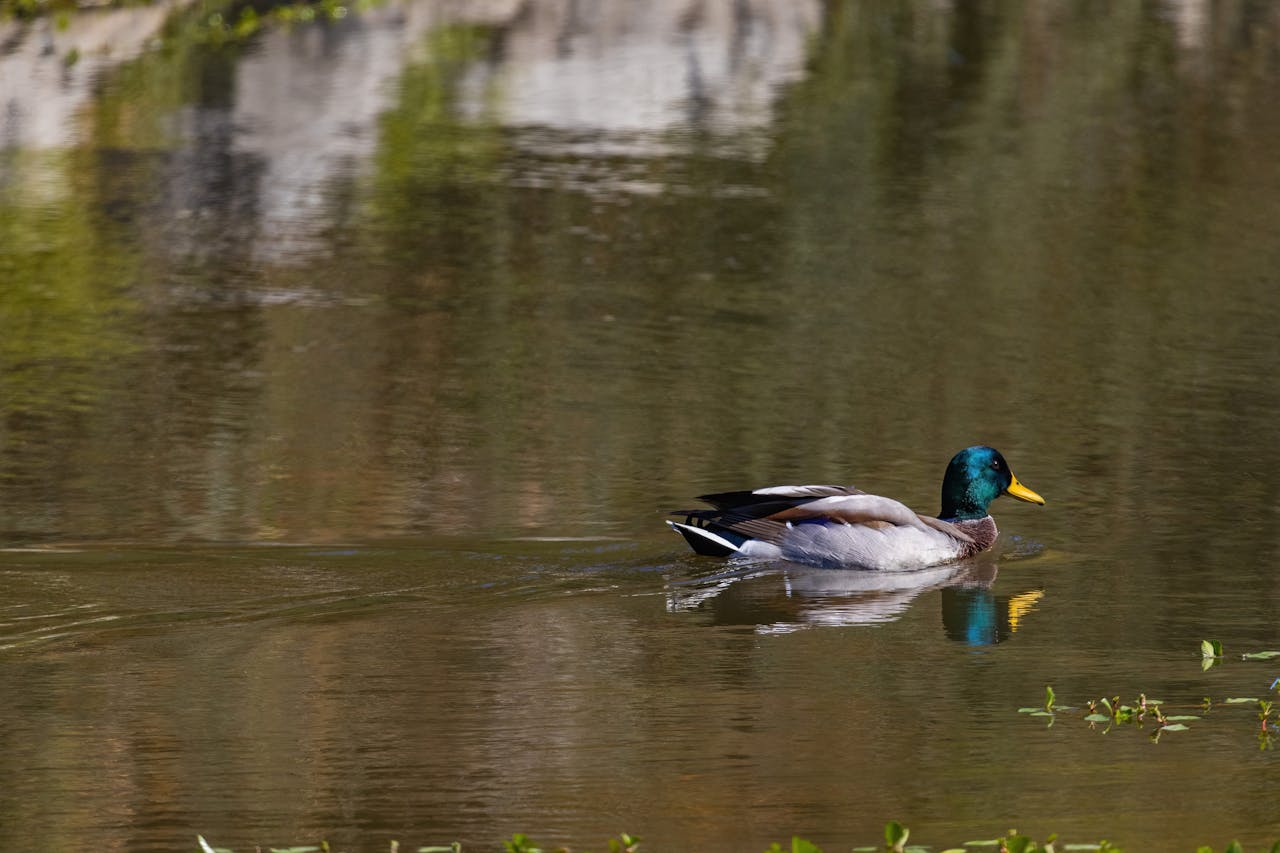
The Forlorn Good Duck: Sally’s Story and Ours


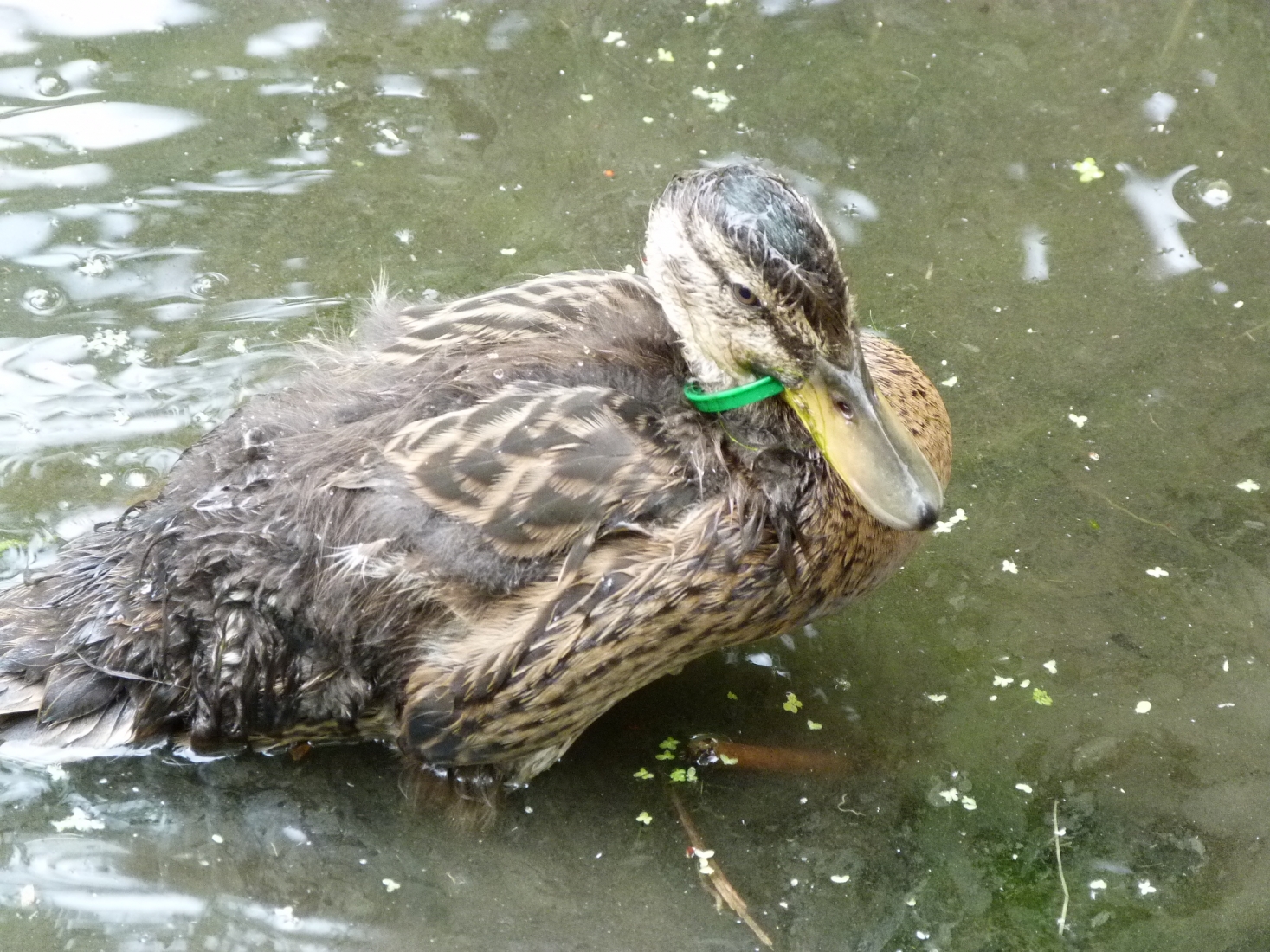
She was born when the air felt like a blessing—cool, crisp, and full of life. The pond she called home shimmered under the sun, its waters so clear that crayfish could be seen darting along the bottom like tiny dancers in a quiet ballet. This was Sally’s beginning—a young duckling in a world that still remembered balance.
Her siblings played without worry. Food was plentiful and clean. The reeds whispered in the breeze, and the sky reflected perfectly in the still water. It was a world untouched by the heavy hand of human neglect.
But even in those early years, something began to shift.
The First Signs of Change
Around 1983, Sally noticed what she could not yet understand. The water grew slightly murkier. Strange smells occasionally lingered. The crayfish became harder to find. At first, these were subtle changes—easy to dismiss.
But nature notices everything.
Scientists today confirm what Sally instinctively felt: freshwater ecosystems have been declining at alarming rates for decades. According to global environmental assessments, freshwater species populations have dropped by more than 80% since 1970, making them among the most threatened ecosystems on Earth.
For Sally, it wasn’t a statistic. It was the disappearance of friends.
A Community Without Division
Sally’s world was diverse. Swans glided with elegance. Pelicans arrived like ancient guardians. Smaller birds filled the air with song. There was no concept of “other” among them—no hatred, no division.
Only coexistence.
This harmony stands in stark contrast to the human systems now shaping the planet. Where animals adapt and share, humans often divide and extract.
Yet even then, Sally understood something crucial: humans were complicated.
Some fed her and her friends. Children laughed as they tossed bread into the water. There were gentle hands and kind eyes.
But there were also hunters.
Her uncle never came back.
The Long Journey South
Each year, Sally migrated south. These journeys were once filled with reliable rest stops—ponds, wetlands, and lakes that welcomed her flock.
But over time, those safe havens began to disappear.

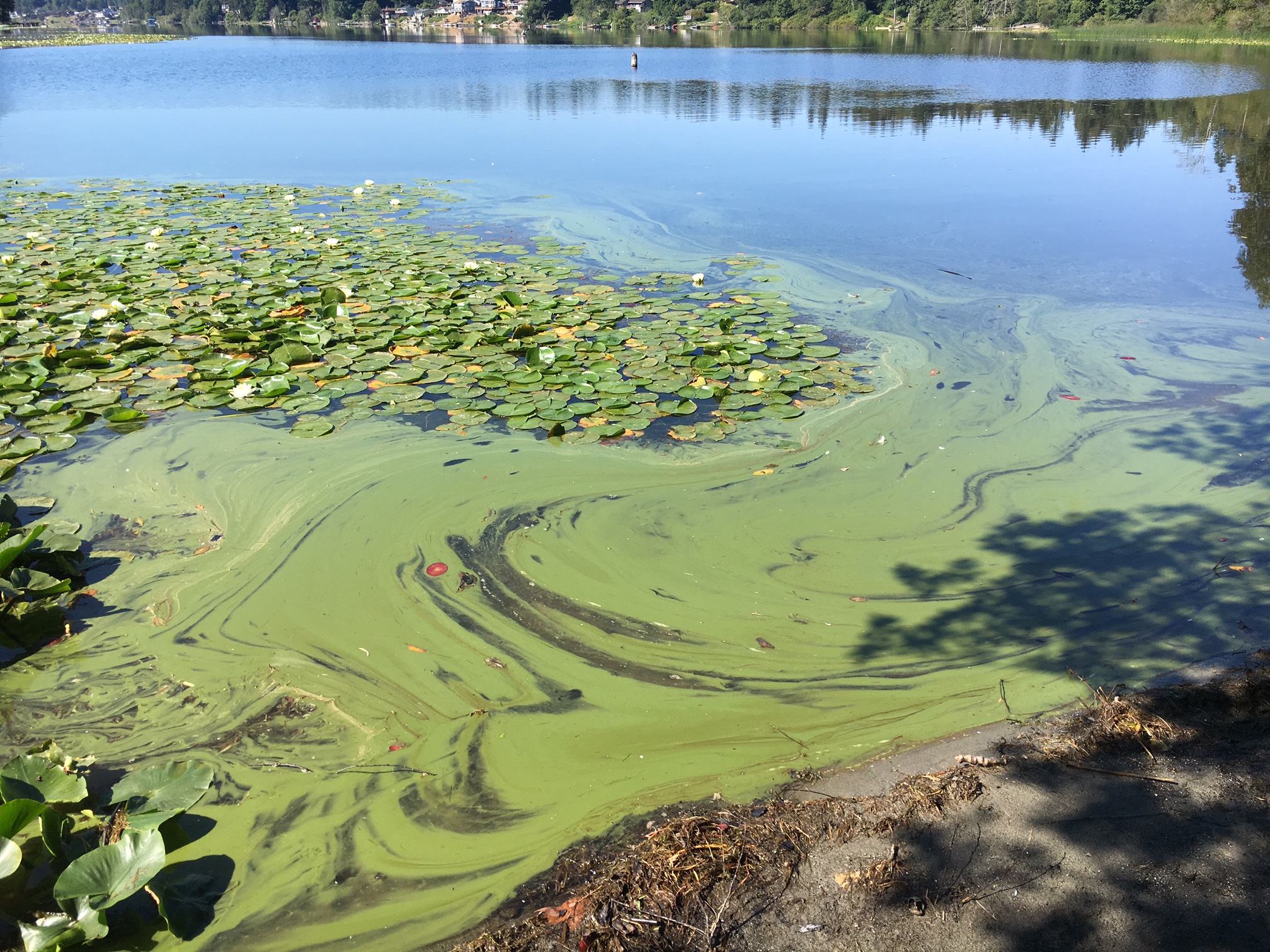

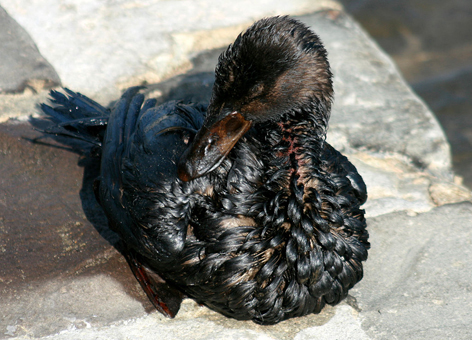
Many of the ponds became toxic.
Runoff from agriculture carried fertilizers and pesticides into waterways, fueling massive algal blooms. These blooms consume oxygen, creating “dead zones” where life cannot survive. Industrial discharge added heavy metals like mercury and lead. Plastics accumulated, breaking down into microplastics now found in nearly every aquatic ecosystem on Earth.
Today, scientists estimate:
- Over 11 million metric tons of plastic enter the oceans each year
- More than 80% of wastewater globally is released untreated into the environment
- Nearly half of U.S. rivers and streams are in poor biological condition
For Sally, this meant fewer places to land, fewer places to eat, fewer places to live.
Stories from the South
When Sally reached North Florida, she met others—ducks, herons, pelicans—each carrying stories of loss.
Wetlands drained for development. Rivers choked with runoff. Coastal waters warming and acidifying.
These weren’t isolated events. They were part of a global pattern.
Ocean temperatures have risen steadily due to climate change, with recent years marking some of the warmest ocean temperatures ever recorded. Warmer water holds less oxygen and disrupts entire food chains. Coral reefs—home to countless species—are bleaching and dying at unprecedented rates.
Even inland waters are heating up.
Lakes across North America and the world are warming faster than the atmosphere itself. This accelerates algal blooms, increases evaporation, and threatens drinking water supplies.
The Warming Waters
Sally didn’t understand climate science, but she felt it.
The ponds were warmer.
Resting became harder.
Food became scarcer.
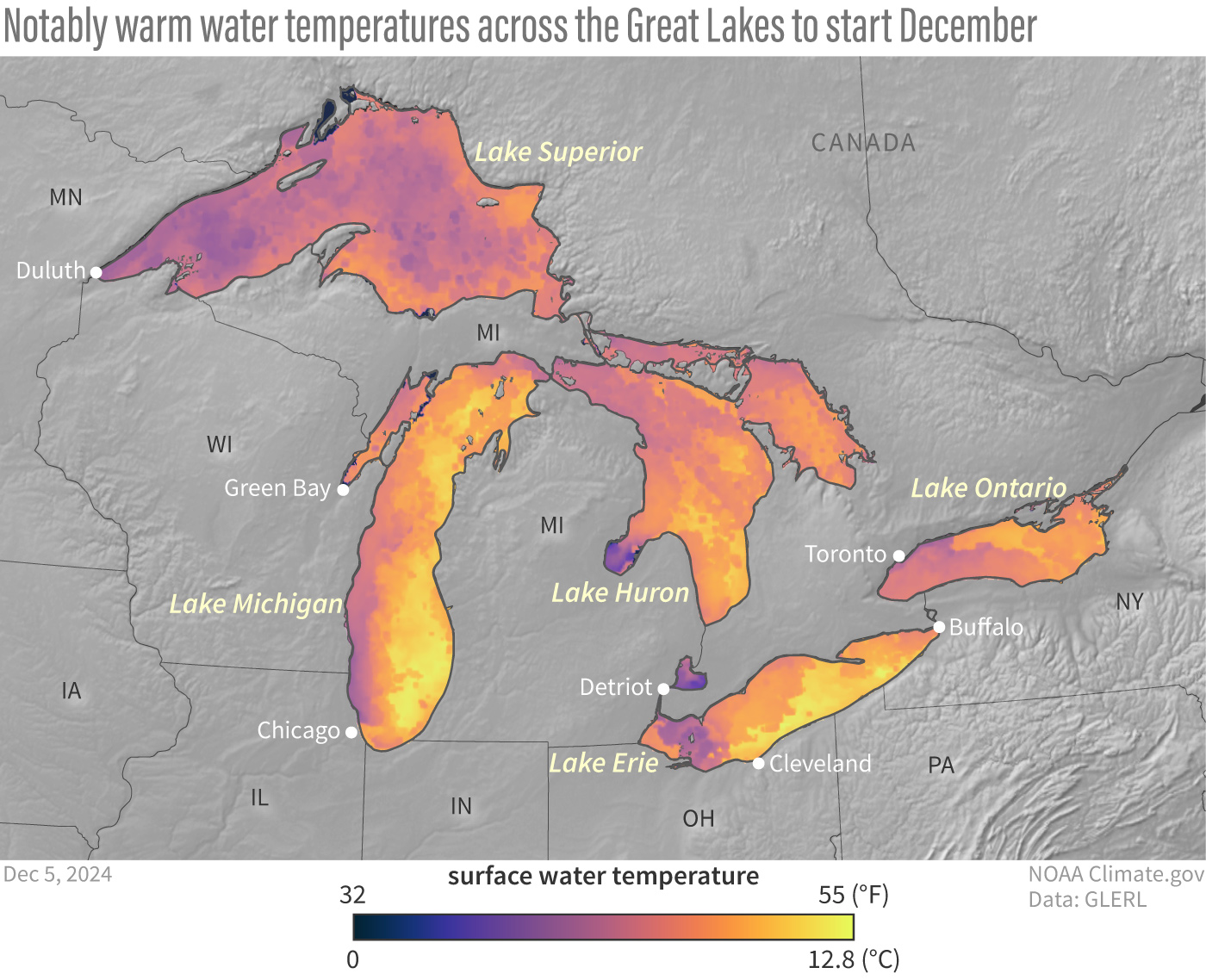


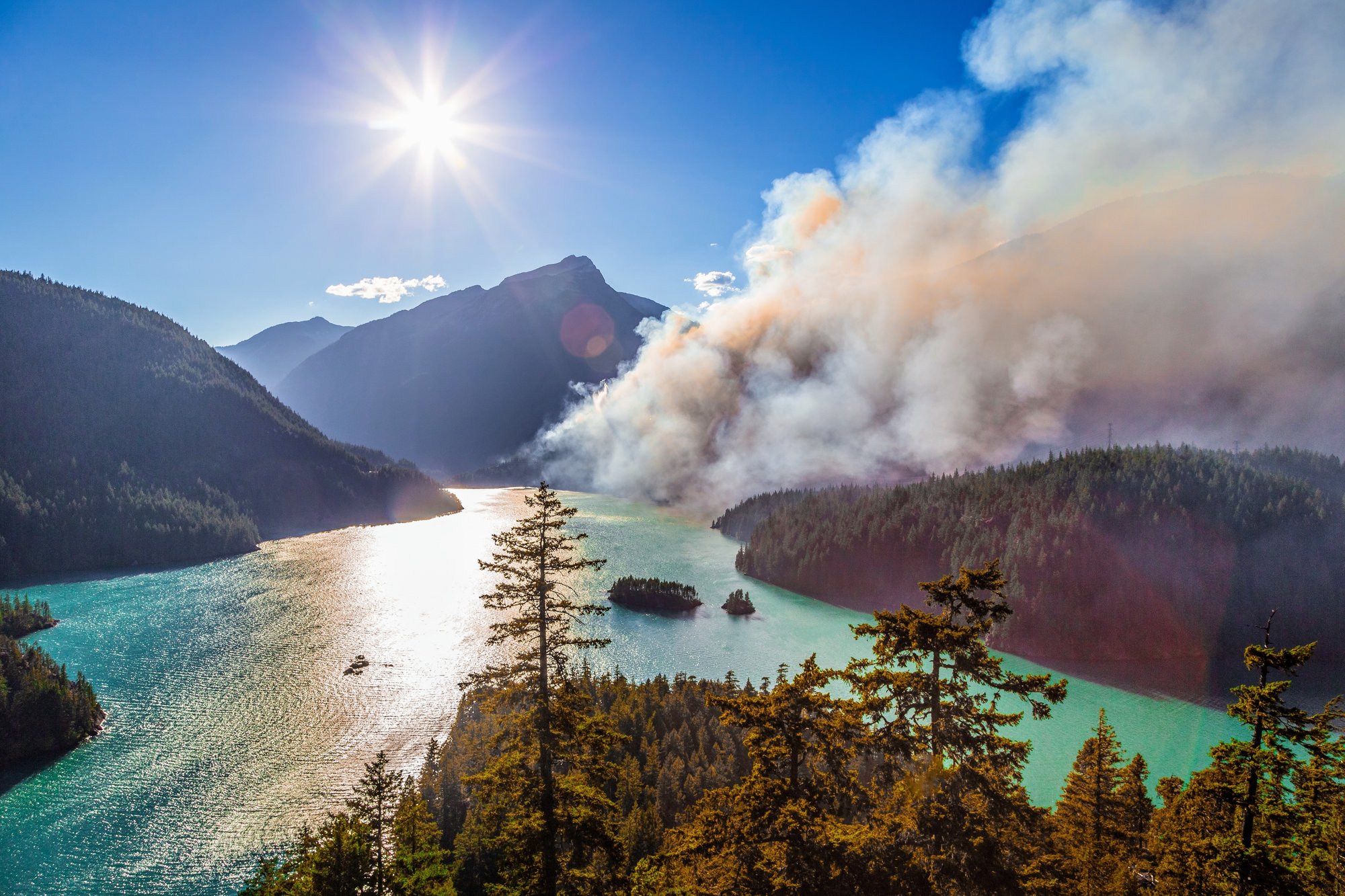
What Sally experienced aligns with what scientists now warn:
- The planet has warmed by approximately 1.2°C (2.2°F) since pre-industrial times
- Freshwater systems are increasingly stressed by heat, drought, and pollution
- Reservoirs—critical for human drinking water—are shrinking due to overuse and climate-driven evaporation
In the western United States, major reservoirs like Lake Mead have reached historically low levels. Across the globe, water scarcity is becoming one of the defining challenges of our time.
This is not just an environmental issue.
It is a survival issue.
Human Systems and Accountability
Sally noticed something else—something subtle but powerful.
There were humans who cared deeply.
They cleaned ponds. They restored wetlands. They wore symbols—often green—that signaled safety. These were the ones who tried to repair what had been broken.
But there were others.
Systems that allowed pollution to continue. Industries that discharged waste. Policies that weakened protections.
In recent years, environmental oversight in the United States has experienced periods of rollback and reduced enforcement in certain areas. Regulatory protections for waterways—such as those tied to interpretations of the Clean Water Act—have been narrowed at times, affecting which wetlands and streams are protected from pollution.
This has real consequences.
When protections are reduced:
- More pollutants can legally enter waterways
- Wetlands lose safeguards despite being critical natural filters
- Communities—especially vulnerable ones—face higher risks to drinking water
Sally doesn’t know policy.
But she knows when the water burns her feet.
A Divided Humanity
From her perspective, humanity is split into two broad paths:
- Those who extract, consume, and discard without regard
- Those who restore, protect, and care
And the tension between these paths shapes her world.
The tragedy is not that humans are incapable of change.
It is that change is not happening fast enough.
The Hidden Crisis: Drinking Water
What affects Sally affects us.
The same waters she depends on are the sources of human drinking water.
Pollution in lakes and rivers leads to:
- Contaminated municipal water supplies
- Expensive treatment processes
- Health risks from toxins like nitrates, PFAS (“forever chemicals”), and microplastics
In many places, harmful algal blooms have forced cities to shut down water systems temporarily. These blooms produce toxins that cannot be removed by standard treatment alone.
Climate change worsens this by warming waters and increasing nutrient runoff through extreme rainfall events.
In other words:
The crisis in Sally’s pond is already in our homes.
Hope in Action
Despite everything, Sally has seen something remarkable.
Humans cleaning.
Communities organizing.
Young people stepping forward.


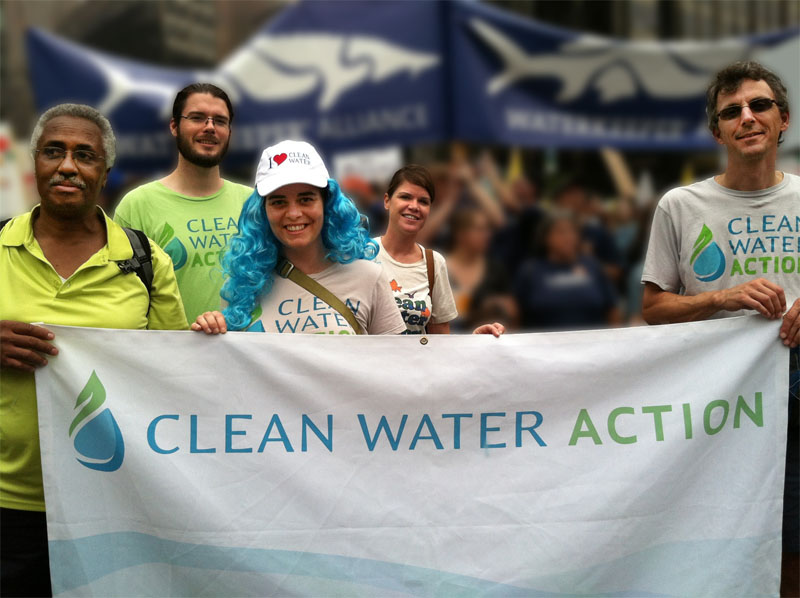
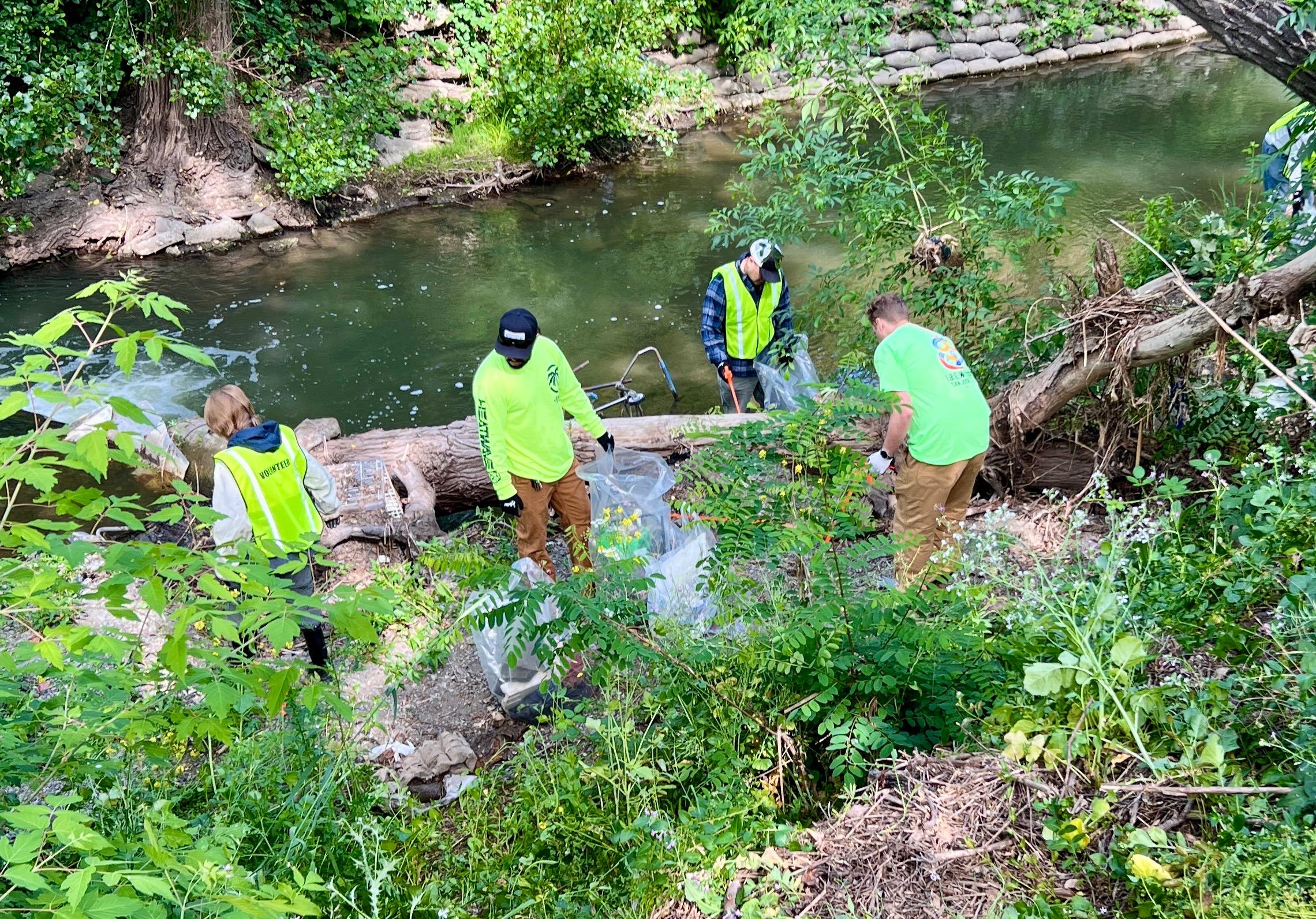
Across the world, restoration efforts are proving that recovery is possible:
- Wetlands can be rebuilt, restoring biodiversity and filtering water
- Rivers can be cleaned, bringing fish and birds back
- Plastic use can be reduced through policy and innovation
- Renewable energy can reduce the warming driving these changes
These actions matter.
They are not symbolic.
They are survival.
Sally’s Quiet Question
Sally does not think in decades or policies.
She thinks in seasons.
In journeys.
In survival.
But she wonders:
Will her ducklings have a place to land?
Will the water be safe?
Will the humans who care be enough?
The Reality We Must Face
The Climate and Ecological Emergencies are not distant threats.
They are present, measurable, and accelerating.
They are in:
- The warming lakes
- The polluted rivers
- The shrinking reservoirs
- The dying wetlands
They are in Sally’s story.
And they are in ours.
A Shared Responsibility
This is not just about saving wildlife.
It is about redefining how we live within Earth’s systems.
It requires:
- Accountability for polluters
- Strong environmental protections and enforcement
- Rapid transition to clean energy
- Restoration of ecosystems at scale
- Community-driven action and awareness
It also requires something deeper:
A shift in values.
From extraction to stewardship.
From indifference to responsibility.
Closing Reflection
Sally hoped for the best.
But she planned for the worst.
That instinct—shared by all living beings—is now something humanity must embrace consciously.
We cannot rely on hope alone.
We must act.
Continue the Journey
To explore more stories, insights, and actions centered on confronting the Climate and Ecological Emergency and building resilient communities, visit:
- ClimateChangeCommunity.com
- cCcmty.com
Read, engage, and become part of a growing movement committed to protecting our shared future.
Because somewhere, right now, a duck like Sally is still searching for clean water.
And what she finds depends on us.
00000000000000000000000000000000
Addendum: Experience, simple but impactful…
I have always loved snakes—garter snakes, milk snakes, and other gentle species that most people never take the time to truly know. Growing up in upstate New York, I found a tiny garter snake in the woods near my home. He was just a baby. I imagined he had somehow lost his mother, or at least had become separated from whatever fragile beginning nature had given him. I cared for him deeply. He would rest with me, wrap around my fingers and hands, and move with a calm trust that felt almost miraculous. He seemed to know safety. He seemed to know affection. To me, he was not a “creature” in some distant sense. He was a life, a presence, a relationship.
About fifty years later, not far from where I had once found that little snake, I found another—this one a newborn garter snake, impossibly small. I picked it up immediately and could feel something was wrong. It was in distress. It died of dehydration right there in my hands. I cried. I cried because it was not just one tiny snake. It was a message. It was a glimpse into what countless animals are now enduring because of the world we humans have built for our convenience, our speed, our waste, and our luxury.
That moment stayed with me because it connected memory to reality. The woods were not what they had been. The moisture was not what it had been. The smallness of life felt more exposed. And it was not only the snake. I noticed fewer insects, fewer fireflies, fewer dragonflies, less of that buzzing, shimmering abundance that once made warm evenings feel alive. Science backs up what so many people have quietly noticed. Pollinators and other insects are under pressure from habitat loss, pesticides, pollution, and climate change, and animals pollinate roughly 87.5% of flowering plants worldwide. Fireflies in particular depend on moist habitats such as wetlands, streams, and damp fields, and conservation groups warn that habitat degradation, poor water quality, drought, pesticide use, and light pollution are among the reasons many firefly populations are struggling. (FAOHome)
What happened in my hands was personal, but the crisis is planetary. Freshwater ecosystems are among the most damaged on Earth. The 2024 Living Planet Report found that monitored wildlife populations globally have fallen by an average of 73% since 1970, and freshwater populations have been hit even harder, with some reporting around an 85% collapse in monitored freshwater wildlife. Wetlands, which function as nurseries, filters, buffers, and homes for innumerable species, have also vanished at frightening speed; reporting this year highlighted that roughly a third of the world’s wetlands have been lost since 1970. (WWF Panda)
This matters for everything that lives. Snakes need prey, cover, moisture, and functioning food webs. Birds need wetlands, shallow waters, fish, amphibians, insects, and safe migratory stopovers. Mammals from elephants to rhinos to giraffes need water sources that do not disappear or turn toxic. Amphibians, which are already among the most threatened vertebrates, are extraordinarily vulnerable to polluted and warming water. Even the insects many people overlook are part of the architecture of life. When they decline, birds lose food. Reptiles lose prey. Plants lose pollinators. Entire ecological relationships begin to fray.
Water is the essential element in all of this, and it is being stressed from every direction at once. Globally, 2.2 billion people still live without safely managed drinking water, and 122 million people relied on untreated surface water in 2022. At the same time, the world is still releasing enormous volumes of inadequately treated wastewater into nature. UN-Water reported that in 2022, 42% of household wastewater was not safely treated before discharge, amounting to an estimated 113 billion cubic meters released with inadequate or no treatment. When that pollution reaches rivers, lakes, estuaries, and coasts, it does not only harm fish or birds “out there.” It moves through watersheds, food systems, and communities. (UN-Water)
Climate change is making the damage worse. The World Meteorological Organization reported that 2025 was among the hottest years ever observed, and its 2026 climate reporting says 2015–2025 were the hottest eleven-year stretch on record. NOAA likewise reported record-high upper ocean heat content in 2025. Warmer oceans intensify storms, disrupt marine food webs, bleach corals, and reduce oxygen available to marine life. Warmer lakes and reservoirs also worsen harmful algal blooms, which can poison pets, livestock, wildlife, and people while driving up drinking-water treatment costs. The EPA states plainly that climate change can lead to more intense harmful algal blooms, and that these blooms threaten human health, aquatic ecosystems, and drinking water supplies. (World Meteorological Organization)
The warming of water is not theoretical anymore. It is already reshaping water availability. The WMO’s State of Global Water Resources 2024 described a year marked by record heat, drought, floods, and severe water-related impacts, with global surface temperatures reaching about 1.55°C above pre-industrial levels in 2024. UNESCO and WMO have also emphasized that glaciers and snowmelt provide freshwater to more than 2 billion people worldwide. Yet those “water towers” are shrinking. Here in the United States, federal water and climate updates released just days ago said mountain snowpack at the end of March remained well below normal in much of the West, with record to near-record lows in some places. That is not just a problem for scenery. It is a problem for rivers, reservoirs, farms, fish, forests, drinking water systems, and every species that times its survival to the slow release of snowmelt. (World Meteorological Organization)
As water grows less reliable, displacement grows. UNICEF warns that four billion people experience severe water scarcity for at least one month each year, and some 700 million people could be displaced by intense water scarcity by 2030. The Internal Displacement Monitoring Centre reported that 83.4 million people were living in internal displacement at the end of 2024, the highest total ever recorded, and that the United States alone registered 11 million disaster-related movements in 2024. Displacement is often discussed as a human issue only, but wildlife are displaced too—forced from wetlands, grasslands, forests, rivers, coasts, and mountain habitats by drought, flood, fire, heat, and contamination. Some move. Some starve. Some simply vanish before anyone has counted them. (UNICEF)
This is where policy becomes moral. In the United States, the current administration has taken at least one notable recent step by moving to monitor microplastics and pharmaceuticals in drinking water, which is important. But that does not erase the broader pattern. Reuters reported in February 2026 that federal civil enforcement actions against polluters dropped to a record low in 2025, citing a 76% decline from the first year of the Biden administration. Meanwhile, EPA and the Army Corps proposed a revised “waters of the United States” rule in late 2025 that would narrow which waters receive federal Clean Water Act protection, and EPA has also reconsidered parts of the PFAS drinking-water framework even while leaving the PFOA and PFOS standards in place. So it is accurate to say that oversight has not disappeared entirely, but it has been weakened, narrowed, or made less forceful in key areas just as water stress and pollution risks are intensifying. (Reuters)
That is why the image of a baby garter snake dying of dehydration matters. It is not sentimental excess. It is evidence. It is a witness. It tells us that ecological breakdown is not only happening in distant oceans, melting poles, or headline disasters. It is happening on neighborhood walks, in familiar woods, in creeks children once played beside, and in the quiet disappearance of species we used to think would always be there.
We should not have to wait until every reservoir is strained, every summer is smoke-filled, every wetland is choked, and every child grows up thinking dragonflies and fireflies belong mostly to stories. Clean water is not optional for any life-form on this planet. Neither is a livable climate. The Climate and Ecological Emergencies are converging in our waters now—ponds, streams, rivers, lakes, reservoirs, seas, and oceans alike. For humans and for wildlife, this is no longer a warning about the future. It is the shape of the present. (U.S. Geological Survey)
If you want, I can now merge this addendum directly into the Sally post and turn both pieces into one seamless long-form blog article.
Tito
(My thoughts, Chat-GPT enhanced/researched… See cCcmty.com later for a different version…)
 empowerment & inner transformation...
Leave a comment