…moved here from cCc.
PUBLIC HEALTH ANNOUNCEMENT
West Nile Virus Is Active in the United States: Protect People and Pets Now
A proactive and reactive mosquito-safety notice for families, caregivers, pet guardians, and communities
Published: August 20, 2026
The message is simple: do not panic, and do not dismiss the risk. West Nile virus is already established and active in the United States. Preventing mosquito bites, reducing breeding water, recognizing serious symptoms, and protecting pets with species-appropriate guidance are sensible acts of adaptive resilience.
A Current Warning, Not a Historical Reference
West Nile virus is not newly arriving in the United States. It was first identified here in 1999 and has since become the leading cause of mosquito-borne disease in the contiguous United States. All contiguous states have reported cases over time.
What is urgent now is the 2026 season. On July 1, the Centers for Disease Control and Prevention reported the earliest start to a U.S. West Nile season and the highest number of human disease cases reported by that point in the year since 2004. By June 30, at least 48 cases had been reported, including 38 cases of severe neuroinvasive disease, and 23 states had reported virus activity. The CDC’s current-year surveillance page was updated on August 18, 2026. Its figures are preliminary, subject to reporting delays, and updated every one to two weeks during mosquito season.
Closer to our New York-New Jersey region, official surveillance also confirms that this is not a distant concern:
- New Jersey health officials said on July 23 that West Nile activity had started early and had been detected in mosquitoes in 12 counties. See the New Jersey public notice.
- New York City health officials reported on August 6 that positive mosquito pools were being detected at nearly twice the number seen at the same point in 2025. See the New York City public notice.
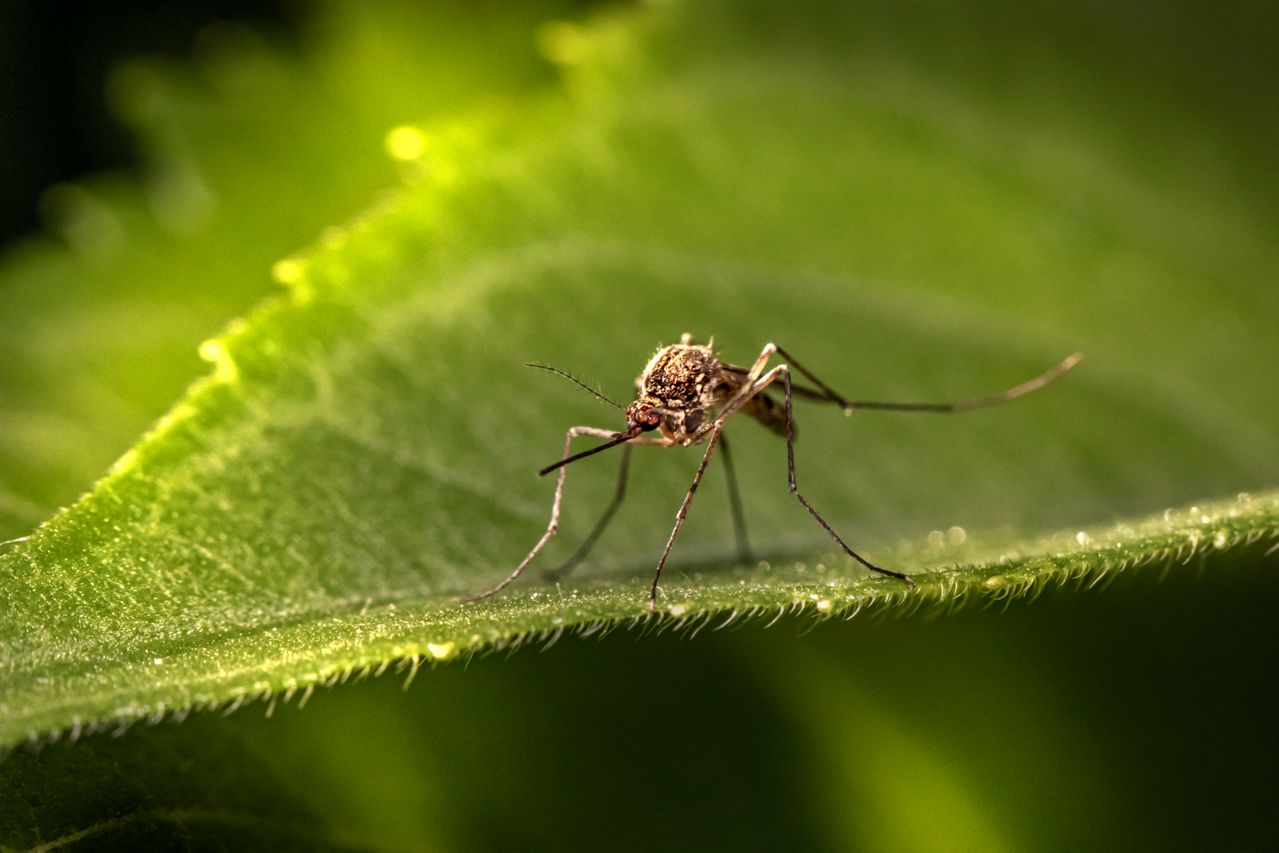
About “mini-mosquitoes”: A mosquito’s small size does not tell us whether it carries West Nile virus. In the United States, Culex mosquitoes can spread West Nile, but only some mosquitoes spread germs and not every mosquito is infected. Protection should not depend on being able to identify a mosquito by sight.
The Climate Connection – Stated Carefully
The climate emergency matters to mosquito-borne disease, but the connection should not be oversimplified. The CDC’s Climate and Health program explains that warmer weather and changing climate conditions can affect vector populations, disease seasonality, and geographic ranges. Temperature and precipitation can also influence mosquito breeding and how quickly pathogens develop inside mosquitoes.
Climate is one factor among many. Land use, bird and mosquito ecology, pest control, human behavior, housing conditions, health-care access, and local weather also influence risk. It would be inaccurate to claim that climate change alone caused every 2026 West Nile case or that every unusually small mosquito is evidence of climate-driven spread. The responsible conclusion is that a changing climate can intensify vector-borne disease risks and makes organized prevention increasingly important.
Our Two-Part Response: Proactive | Reactive
Proactive: Prevent Bites Before Illness Begins
For people
- Choose an EPA-registered skin repellent. Look for an EPA Registration Number on the label and select a protection time appropriate for the activity.
- If plant-derived ingredients are a priority, consider an EPA-registered product containing oil of lemon eucalyptus (OLE), para-menthane-diol (PMD), or 2-undecanone. Picaridin, IR3535, and DEET are also CDC-recommended active ingredients in EPA-registered products.
- Do not confuse OLE or PMD repellent with plain lemon eucalyptus essential oil. Non-EPA-registered “natural” products have not been evaluated by EPA for mosquito-repellent effectiveness.
- Do not use OLE- or PMD-containing repellents on children younger than 3. For every age group, follow the product label exactly and keep repellent away from eyes, mouth, hands of young children, wounds, and irritated skin.
- Wear loose-fitting long sleeves, long pants, socks, and shoes when practical. Culex mosquitoes that spread West Nile are generally most active between dusk and dawn.
Use the EPA repellent finder to compare registered products by active ingredient and expected protection time. “Natural,” “organic,” or “green” marketing language is not a substitute for registration, label directions, and evidence of effectiveness.
For homes and shared spaces
- Once each week, empty and scrub, turn over, cover, or discard items that hold water, including buckets, plant saucers, toys, tires, tarps, birdbaths, and uncovered containers.
- Repair window and door screens. Use air conditioning when available and appropriate.
- For permanent standing water that cannot be drained, seek guidance from a local mosquito-control program about properly labeled larvicides. Avoid indiscriminate spraying that may expose people, pets, pollinators, or waterways unnecessarily.
- Check local and state mosquito-surveillance updates. A lack of reported activity does not prove that risk is absent because testing and reporting vary by location.
For dogs, cats, and other companion animals
- Make a separate pet-safety decision. Never put a human insect repellent on an animal unless the product label explicitly says it is intended for that animal species.
- Do not use a homemade essential-oil spray on a pet. Concentrated essential oils can harm animals, cats are especially sensitive to many products, and a diluted household recipe is not proof of safety or effectiveness.
- Ask a veterinarian to recommend a mosquito-control or parasite-prevention product that matches the pet’s species, age, weight, health, and current medications. A dog-labeled product must not be assumed safe for a cat.
- Keep pets indoors during peak mosquito activity when practical, maintain screens, and remove standing water from bowls, toys, planters, and yard containers.
- Keep dogs, cats, and ferrets on veterinarian-directed year-round heartworm prevention. Heartworm is spread by mosquitoes, and mosquito repellent is an added layer – not a replacement for preventive medication.
Important correction: The previously suggested do-it-yourself dog spray made with lemon eucalyptus essential oil and witch hazel or carrier oil should not be used. Public-facing guidance should not offer a home formula when species, concentration, skin condition, inhalation, licking, and household-cat exposure can materially change the risk.
Reactive: Know When to Act
Most people infected with West Nile virus do not develop symptoms. About one in five develops fever or other symptoms such as headache, body aches, joint pain, vomiting, diarrhea, or rash. Symptoms usually begin 2 to 14 days after the bite of an infected mosquito, although onset can take longer in people with weakened immune systems.
Seek immediate medical attention for high fever, neck stiffness, muscle weakness, confusion, disorientation, tremors, seizures, numbness, or paralysis. Less than 1% of infected people develop severe disease affecting the central nervous system, but severe illness can cause long-term disability or death. Adults 65 and older, people with certain chronic conditions, and people with weakened immune systems face higher risk.
There is no licensed human vaccine or medicine that prevents West Nile virus disease, and there is no specific antiviral treatment. A health-care professional can evaluate symptoms and order appropriate testing. If a pet becomes ill or is accidentally exposed to a human repellent or essential oil, contact a veterinarian or animal poison-control service promptly rather than trying a home remedy.
A Practical Household Checklist for Today
- Purchase one EPA-registered repellent for people, choosing the active ingredient and protection time that fit the household.
- Call the veterinarian before purchasing or applying a mosquito product to a pet; confirm species, age, weight, and compatibility with other preventives.
- Remove or treat standing water and repair damaged screens.
- Place repellent near the door or outdoor supplies so it is remembered before exposure.
- Share the warning signs of severe illness with family members and caregivers.
- Check CDC, state, and local surveillance pages regularly through the end of mosquito season.
The Bottom Line
Thinking ahead about mosquito protection is not foolish. It is a grounded form of adaptive resilience. The best response is neither fear nor dismissal: it is verified information, safer purchasing, environmental prevention, attention to vulnerable family members, responsible pet care, and timely medical or veterinary action.
Be proactive. Be reactive. Be accurate. Protect people, pets, and the living systems around us with measures that are effective, evidence-based, and as environmentally responsible as possible.
Sources and Further Guidance
- CDC – Current Year Data (2026): West Nile Virus
- CDC – West Nile Season Starting Early, July 1, 2026
- CDC – About West Nile
- CDC – Symptoms of West Nile
- CDC – Preventing Mosquito Bites
- CDC – Climate and Vector-Borne Diseases
- EPA – Using Insect Repellents Safely and Effectively
- EPA – Skin-Applied Repellent Ingredients
- FDA – Safe Use of Flea and Tick Products in Pets
- FDA – Protect Your Pet from Heartworms Year-Round
- ASPCA – The Essentials of Essential Oils Around Pets
Public-health note: This announcement provides general educational information and does not replace advice from a physician, veterinarian, poison-control specialist, or local public-health authority.
By Mr. Alvarez | Health Thoughts Enhanced by AI Assistant


Leave a Reply